

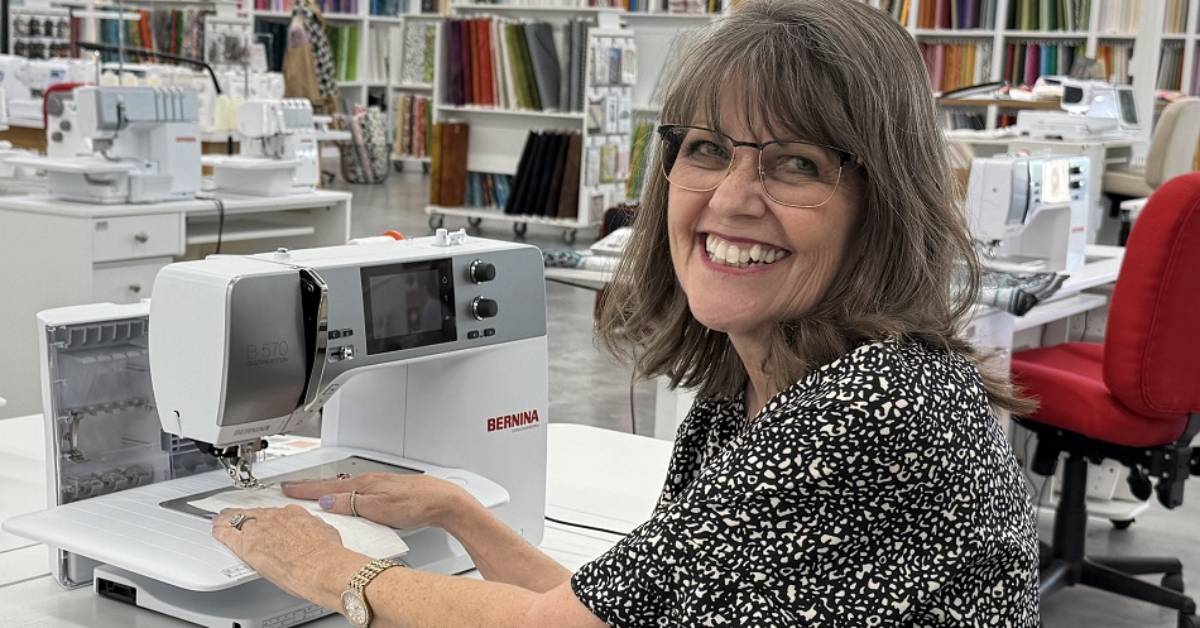
Creating beautiful sewing projects is much easier when your workspace fits you properly. Finding the perfect heights for sewing tables and chairs prevents backaches, stiff shoulders, and wrist fatigue, so you can enjoy longer sewing sessions without discomfort. Let’s look at practical ways to set up your space for comfort, productivity, and lasting creative enjoyment.
Why Ergonomics Matter in Sewing
Proper posture is essential for long sewing sessions, and your table and chair heights are the foundation of good ergonomics. When your setup is correctly adjusted, your body remains relaxed, reducing strain on your neck, back, and shoulders. In a neutral position, you can focus all your energy on your craft.
An ergonomic sewing space also improves your control and precision, leading to better stitch quality and more professional results. Your hands and arms can move freely, and you have a clear, comfortable view of the needle and fabric. Ultimately, a well-configured workspace boosts your well-being and the quality of your creations.
Finding Your Ideal Chair Height
The first step in creating your ergonomic sewing station is to adjust your chair height correctly. Your feet should rest flat on the floor, with your knees bent at a comfortable 90-degree angle. This alignment provides a stable base and promotes healthy circulation in your legs.
Once your feet are positioned, check that your thighs are parallel to the floor. A chair that is too high or too low will put unnecessary pressure on your lower back and thighs. Adjusting your chair first allows you to then set your table height in relation to your seated posture.
The Benefits of a 360-Degree Swivel Base
Swivel bases add a layer of convenience and comfort to your sewing chair. They let you pivot effortlessly to grab supplies or adjust your position without awkward movements. This reduces strain on your back and shoulders. A high-quality swivel base combines smooth rotation with a stable foundation, so you can move freely without feeling unbalanced.
The Magic of an Adjustable Chair
Investing in a high-quality, adjustable chair is one of the best things you can do for your sewing hobby. These chairs allow you to fine-tune the height, backrest, and armrests to perfectly match your body and workspace. Many also have features like lumbar support and swivel bases for added comfort and mobility.

When comparing sewing chairs for sale, you’ll find options specifically created for sewists, with features that support long hours of creative work. When you sit for extended periods, it's easy to slouch, which flattens this curve and strains your lower back muscles. Lumbar support in ergonomic chairs maintains the natural inward curve of your lower spine and encourages proper posture.
Setting Your Sewing Table Height
After you have your chair set, the next step is to determine the right height for your sewing table. Your elbows should be bent at 90 degrees when your hands rest on the sewing machine bed. This position prevents you from hunching over or reaching up, which can cause shoulder and neck strain.
A standard dining or office table may not be the correct height, as they are typically around 29-30 inches tall. Many sewists find that a slightly lower table height of 26-28 inches works better, but this depends on your chair height and body proportions. Using an adjustable-height table is the best way to dial in the perfect measurement for you.
Tips for Foot Pedal Placement
Once your sewing table is set to the right height, place the foot pedal in a comfortable spot. If the pedal is too far forward or off to the side, you may twist your body or overextend your leg, leading to discomfort over time. Position the pedal directly in front of you and within easy reach to keep your posture aligned. Consider using a non-slip mat or pedal holder to keep the foot pedal in place during use.
Cutting Table Height Considerations
Your cutting table has different ergonomic requirements than your sewing table because you use it while standing. An ideal cutting table height allows you to stand upright with a straight back while cutting fabric. You shouldn't have to bend over excessively, as this puts a great deal of strain on your lower back.
To find your perfect cutting table height, stand straight and bend your arms at a 90-degree angle. The surface of your cutting table should be just a few inches below your hands. For most people, this height is somewhere between 34 and 38 inches, similar to a standard kitchen counter.
Storing and Organizing Your Tools
Proper storage and organization are necessary for a truly ergonomic sewing setup. When your tools are easily accessible, you avoid repetitive reaching or bending, which can strain your back, shoulders, and wrists. An organized workspace also keeps distractions to a minimum, allowing you to sew comfortably and efficiently.
Here are some ideas for keeping your supplies within easy reach:
- Use a rolling cart with multiple drawers to store notions and thread.
- Install a pegboard on the wall above your table for hanging scissors, rulers, and rotary cutters.
- Attach magnetic strips to the side of your table for holding pins and small metal tools.
- Use clear, stackable containers to keep your workspace tidy and your supplies visible.
- Add a small shelf or caddy directly on your table for items you use constantly.
Special Tables for Specific Tasks
Different sewing tasks can benefit from different table setups. For example, a dedicated serger table is typically set slightly lower than a regular sewing table to accommodate the serger's higher working surface. The lower height keeps your arms at a comfortable angle as you use the serger, reducing strain on your shoulders and wrists.
Having separate stations for different machines can streamline your workflow and keep each area ergonomically optimized. If you have limited space, look for modular furniture or tables with large surfaces that can accommodate multiple machines.
Achieving an ergonomic sewing studio is a journey of small, personalized adjustments. The goal is to create a space where your body feels supported, allowing your creativity to flow freely without physical limitations. By finding the perfect heights for your sewing tables and chairs, you invest in your long-term health and passion for sewing. Use specialized, adjustable sewing furniture to make every project more enjoyable, from the first cut to the final stitch.