
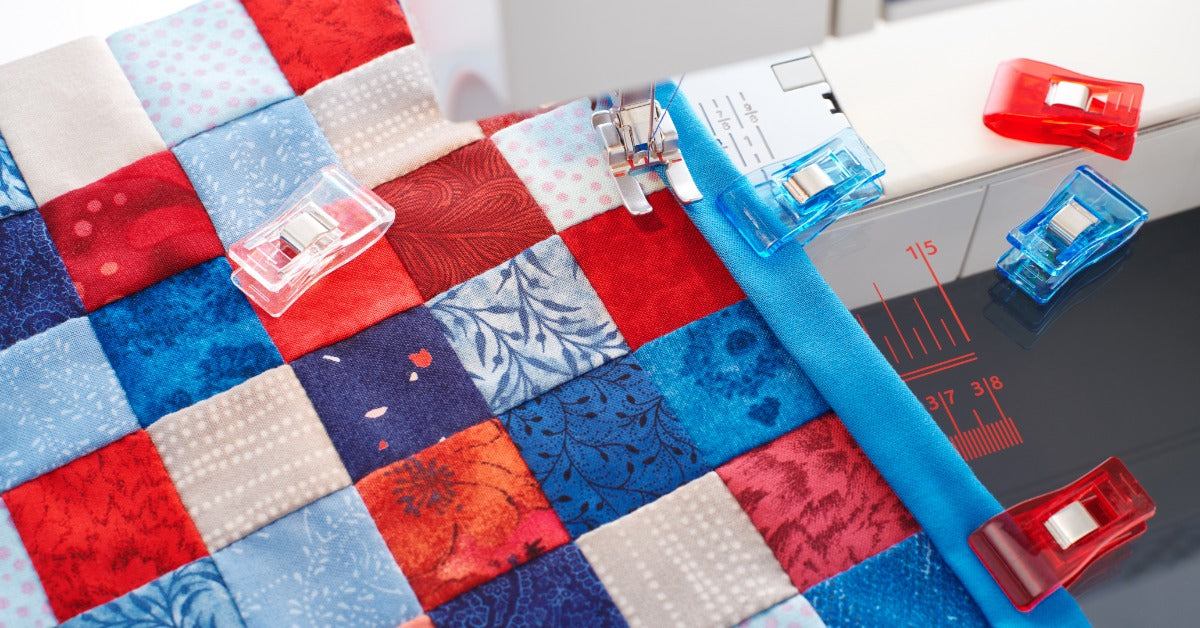
Piecing hundreds of fabric squares, stitching through thick layers, and guiding a large quilt under the needle all place different demands on a sewing machine. While a mechanical model may handle these tasks with straightforward controls, a computerized machine can offer automated features that simplify the process. When comparing mechanical and computerized machines for quilting, it's worth considering how each type handles precision, speed, and fabric control. Here’s a closer look at the differences so you can choose the quilting machine that suits the way you like to work.
Stitch Options and Customization
Mechanical sewing machines typically offer essential stitches, including straight and zigzag stitches, with manual controls for adjusting their settings. These options are suitable for many basic quilting tasks, particularly piecing fabric blocks and attaching binding. If you primarily use straight stitches, a mechanical model may provide everything you need without unnecessary extras.
Computerized machines generally offer a wider stitch selection and more ways to customize the results. Many allow you to make precise adjustments through digital controls, while some can save your preferred settings for future projects. This flexibility is particularly useful when moving between piecing and decorative quilting.
Decorative Stitches and Built-In Designs
Decorative stitches can add patterns, borders, and textured details to quilt blocks or finished projects. Although some mechanical machines include decorative options, computerized models often have a much larger selection of built-in designs. Depending on the model, you may also be able to combine stitches or program repeating patterns for borders and accents. These capabilities give quilters more creative options without requiring separate embroidery equipment.
Ease of Use and Learning Curve

A machine's controls can make a noticeable difference in how comfortable you feel using it. Mechanical models typically have fewer settings to navigate, which can appeal to beginners who want to concentrate on learning basic sewing techniques. Computerized machines, however, can simplify certain tasks with automated functions and on-screen guidance.
When comparing mechanical and computerized machines for quilting, think about how much control you want over the sewing process. Some people prefer adjusting settings manually, while others like having recommended settings displayed on a screen. Neither type is necessarily easier for everyone, so consider which setup feels most intuitive to you.
Manual Dials vs. Digital Controls
Mechanical machines typically use physical dials or levers to select stitches and adjust their settings. In contrast, computerized models use buttons, touchscreens, or digital menus, depending on their design. Some even display recommended settings or provide instructions for specific functions, so you won't need to consult the manual as frequently. Trying both control styles can give you a better sense of which one feels more comfortable for you.
Precision and Stitch Consistency
Consistent stitching is particularly important when piecing quilt blocks, where even small differences in seam allowances can affect how accurately the sections fit together. Both mechanical and computerized machines can produce precise stitches when properly adjusted and operated.
However, certain computerized models include features that make consistent results easier to achieve. For example, some offer automatic needle positioning and programmable stitch settings, reducing the need to make the same adjustments repeatedly. Adjustable speed limits can also make it easier to maintain control when sewing detailed sections. Mechanical machines provide direct control over basic settings, although stitch consistency depends more on the operator's technique.
Stitch Regulation and Tension Control
Proper thread tension keeps the upper and bobbin threads balanced, preventing loose stitches or unwanted puckering. Both types of machines offer tension adjustments, but some computerized models can manage tension automatically. Certain advanced quilting machines also feature stitch regulation, which adjusts sewing speed in response to fabric movement during free-motion quilting. These capabilities vary considerably between models, so check the specifications rather than assume they're included.
Quilting Features and Capabilities

Beyond stitch selection, a machine's physical design and accessory compatibility affect how comfortably you can work. Some features are useful for nearly every quilt, while others become important when you're working on larger projects or trying specialized techniques. Whether you're considering mechanical or computerized quilting sewing machines, focus on the functions that match the projects you enjoy making.
When comparing machines, consider these features and how they support different quilting techniques:
- A walking foot feeds multiple fabric layers evenly during straight-line quilting.
- Free-motion quilting capability lets you guide fabric freely beneath the needle with the appropriate machine setup.
- A quarter-inch presser foot makes it easier to maintain accurate seam allowances when piecing quilt blocks.
- Adjustable presser foot pressure allows you to accommodate different fabric thicknesses.
- An extension table provides additional support when working with larger fabric sections.
- Lowering or covering the feed dogs allows you to move fabric freely during techniques such as free-motion quilting.
Throat Space and Fabric Handling
Throat space is the area between the needle and the machine's body, and it determines how much room you have to maneuver fabric. A larger opening makes bulky projects easier to handle, especially when quilting a full-size piece with several layers. Smaller machines can still work well for piecing blocks or finishing items like table runners and wall hangings. Think about the size of your typical projects and whether you'll have enough room to guide the fabric without constantly repositioning it.
Maintenance and Long-Term Reliability
Mechanical machines generally have simpler internal systems, which can make certain repairs less complicated. Computerized models contain electronic components that may require specialized diagnostic equipment or professional servicing. However, neither type is automatically more reliable, since durability also depends on construction quality, regular maintenance, and how the machine is used.
Regardless of which type you choose, routine care can prevent unnecessary problems and keep your machine running smoothly. Follow the manufacturer's instructions for cleaning and other maintenance tasks. It's also worth checking the availability of replacement parts, authorized service technicians, and warranty coverage before purchasing a specific model.
Cost and Overall Value
Mechanical machines often have lower starting prices, making them an appealing option if you don't need extensive stitch selections or automated functions. Computerized models generally become more expensive as additional features and electronic controls are introduced. Still, prices vary considerably, and a well-built mechanical machine may cost more than an entry-level computerized model.
Instead of focusing entirely on the purchase price, consider how often you'll use the available features. A computerized machine could be worth the additional expense if its automation saves you time or supports techniques you regularly practice. On the other hand, a dependable mechanical model can offer excellent value when your priorities are accurate piecing, straightforward controls, and reliable basic functions.
The best sewing machine isn't necessarily the one with the most stitches or the highest price tag. Think about the quilts you enjoy making, the tasks you find challenging, and whether automated features would make those projects easier. A mechanical machine may be all you need for straightforward quilting, while a computerized model offers added flexibility for exploring more advanced techniques. At Authorized Vac and Sew, we're here to help you compare your options and find a machine that suits your quilting interests and goals.