

If you have ever stood in front of a row of machines and wondered which one actually fits your projects, you are not alone. A serger and a standard sewing machine may look very similar at first glance, but they construct seams, finish edges, and handle fabric differently. Once you see what each machine does best, it becomes much easier to choose the right one for garment sewing, home projects, or creative upcycling.
Two Machines, Two Jobs
A standard sewing machine handles the broadest range of tasks. It sews seams, topstitches, attaches zippers, makes buttonholes on many models, and helps with both construction and decorative work. That versatility makes it the machine most people start with and keep using.
A serger works in a more specialized way. It trims fabric edges while stitching over them, giving seams a neat, finished look. Therefore, many sewists reach for a serger when they want professional-looking seam finishes, especially on garments and stretchy fabrics.
How Each Machine Stitches
Stitch formation is a clear way that a serger differs from a standard sewing machine. A standard sewing machine usually forms stitches with one needle thread and one bobbin thread. That setup creates strong seams for everyday sewing and gives you access to straight stitches, zigzag stitches, and many utility or decorative options, depending on the model. Moreover, it lets you sew at the center of the fabric rather than only along an edge.
A serger uses loopers instead of a bobbin, and it usually works with three, four, or five threads, depending on the stitch setup. Sergers are also called overlock machines because they use an overlock stitch that wraps thread around the edge of the fabric as it trims it.
Edge Finishing Quality
A serger shines when you want a seam allowance to look tidy and resist fraying. Since the knife trims the edge just before the threads wrap around it, the result looks clean right away. In a busy sewing session, that single pass can save real time.
A standard sewing machine can still finish edges, just in a different way. You might use a zigzag stitch, an overcast foot, pinking shears after stitching, or another seam finish that suits the fabric. So, while both machines can manage raw edges, the serger is more efficient.
Speed and Workflow

A serger usually moves fast, and that speed changes the rhythm of sewing. Long seams on knits, simple garments, and repetitive construction work move along quickly once the machine is threaded and adjusted. As a result, many sewists use an overlock machine to streamline the assembly stage.
The biggest workflow differences show up in the way each machine handles common tasks:
- A standard machine builds seams without trimming fabric.
- A serger trims, stitches, and finishes edges in one pass.
- A standard machine handles detailed sewing away from the edge.
- A serger works best when the fabric edge stays accessible.
- A standard machine usually offers more stitch variety.
Sergers Create Clean Knit Seams
Knit fabrics need seams that move with the fabric rather than fight it. A serger creates stitches with built-in flexibility, so seams on T-shirts, leggings, and knit dresses tend to stretch more comfortably. If you sew clothing, activewear, or projects that fray easily, an overlock sewing machine works quickly and produces a more polished interior finish.
A standard sewing machine can still sew knits well with the right setup. A stretch stitch and a ballpoint needle can prevent snapped threads and popped seams. Even so, many sewists find that a serger gives knits a smoother finish with less trial and error.
Knits Need Flexibility
Jersey, rib knit, and French terry all behave differently from woven cotton, and rigid stitching may pop when the fabric stretches in wear. Additionally, knit edges can curl, which makes feeding and finishing more annoying on the wrong setup. A serger manages both stretch and edge control in one motion.
Threading and Using the Machine

Threading a standard sewing machine follows a straightforward path that most beginners learn quickly. You guide the thread through the upper threading points, pass it through the needle, and load a wound bobbin into place below. Once threaded, you control the fabric by guiding it under the presser foot while the feed dogs move it forward at a steady pace.
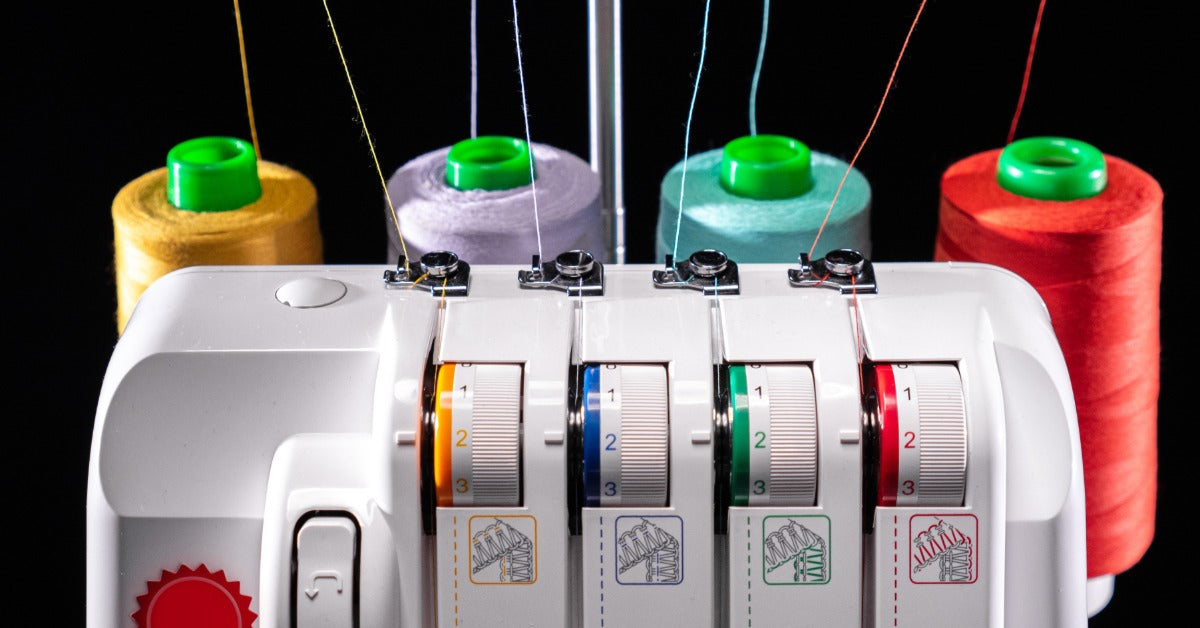
Threading a serger takes a few more steps because it uses multiple threads that run through loopers instead of a bobbin. You follow a specific order, usually marked with color-coded guides, to thread each path correctly and avoid tangling. During use, the machine trims the fabric edge as you sew, so you guide the material carefully along the blade while maintaining a consistent seam allowance.
Special Features on Overlock Machines
Overlock machines offer several features that make sewing faster and more precise. Differential feed keeps fabric feeding evenly, even when working with tricky materials. You can also adjust stitch length, width, and cutting settings to match your project. Some machines include user-friendly threading systems and specialty stitch options that expand what you can create.
Why Have Both Machines
A serger and a standard sewing machine work well as a team because each one handles different parts of the sewing process. A serger gives seams a clean, finished look and moves quickly through edge finishing and knit construction. Meanwhile, a standard sewing machine takes care of detailed tasks like zippers, buttonholes, topstitching, and more precise sewing.
Having both machines gives you more flexibility with a wider range of projects. You can use the sewing machine for construction details and specialty techniques, then switch to the serger for neat seam finishes and faster garment assembly. Together, they create a smoother workflow and give you more control over both function and finish.
You can use both machines together on a wide range of projects, including:
- T-shirts and knit tops.
- Activewear and leggings.
- Pajamas and loungewear.
- Dresses and skirts.
- Simple bags and fabric accessories.
A serger and a standard sewing machine each bring something useful to the table, but they solve different problems. A sewing machine gives you the flexibility to handle everyday projects, while a serger speeds up edge finishing and creates stretchy seams that look closer to store-bought clothing. Together, they create a more complete and flexible sewing setup. With both tools in your space, you can take on a wider range of projects with confidence.