

Embroidery has come a long way from the days of painstaking hand stitching. What was once a slow, intricate craft has transformed into a high-tech art form accessible to anyone. The story of how embroidery machines have evolved over time is a testament to human ingenuity and our love for creativity. From early hand-cranked devices to today’s digital powerhouses, these are the milestones that have shaped modern embroidery.
The Dawn of Mechanical Embroidery
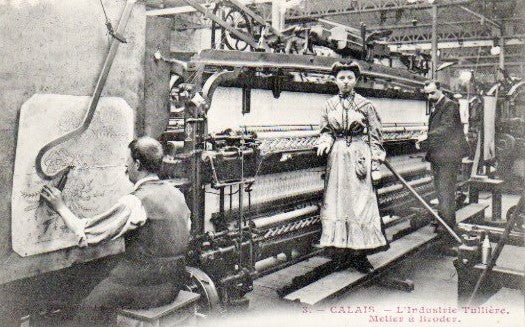
The first leap from hand to machine embroidery occurred during the Industrial Revolution, a period of immense innovation. In the 1820s, French inventor Josué Heilmann created a hand-embroidery machine that replicated the motions of a human hand, marking a pivotal moment in textile history.
The machine used a pantograph system to guide the fabric. A pantograph is a tool with connected arms that copies or resizes designs. Operators manually traced a design on the pantograph, which controlled the movement of up to four hundred needles simultaneously. This allowed the machine to replicate intricate patterns, though it still required significant skill and effort to operate effectively.
While groundbreaking, these early machines were massive, complex, and required skilled operators to guide the fabric manually. Consequently, they were primarily used for industrial-scale production rather than personal crafting. The process, although faster than handwork, was still labor-intensive and far from the automated systems we appreciate now.
Schiffli Machines Change the Game
Building upon Heilmann’s concepts, Isaak Gröbli of Switzerland invented the Schiffli machine in 1863. The name “Schiffli” means “little boat” in Swiss German, referencing the boat-shaped shuttle used in the stitching process. The shuttle which contained a bobbin, and a continuously threaded needle created a lockstitch similar to that of a sewing machine. This innovation allowed for much faster production and more versatile designs.
Schiffli machines dominated the commercial embroidery industry for over a century, producing everything from delicate lace to elaborate appliqués. These behemoths, some stretching over 20 yards long, were the workhorses of textile factories around the world.
The Rise of Multi-Head Machines
The mid-20th century introduced another major advancement with the development of multi-head embroidery machines. This technology allowed a single machine to stitch the same design on multiple garments simultaneously. As a result, production efficiency soared, making embroidered goods more affordable and widely available.
These machines were instrumental in the growth of the custom apparel industry, allowing businesses to embellish uniforms, hats, and promotional items with incredible speed. This efficiency paved the way for smaller businesses to enter the embroidery market.
Introduction of Computerized Technology
The 1980s heralded the digital age for embroidery, as computers were integrated into machine operations. This transition replaced the paper tape systems that previously controlled the needle movements. The paper tape system in embroidery used punched holes to encode design patterns, guiding the machine’s needle movements to create precise stitches. Any damage to the tape could disrupt the entire design process.
With the advent of computerized embroidery machines, operators could create and edit designs on a computer and send them directly to the machine. This digital revolution simplified the design process and unlocked unprecedented creative potential. Complex patterns, detailed lettering, and multi-color designs became easier to execute with precision. Therefore, embroidery became a more accessible and appealing option for a broader range of applications, from fashion to home décor.
Developments in Embroidery Threads
Embroidery threads have changed alongside the machines, and people can now choose between natural fibers like silk and cotton to durable synthetic options such as polyester. Modern threads are engineered for vibrant colors, strength, and compatibility with high-speed embroidery machines. Specialty threads, including metallic and glow-in-the-dark varieties, offer unique creative possibilities for intricate designs. These advancements have empowered embroiderers to push the boundaries of their craft.

Home Embroidery Machines Arrive
Over time, all these changes led to one of the most exciting developments: the introduction of affordable home embroidery machines. These compact, user-friendly models brought the power of computerized embroidery into the hands of hobbyists and crafters. Suddenly, anyone with a passion for sewing could create professional-quality embroidered projects from their own home.
These machines combined sewing and embroidery functions, offering incredible versatility in a single package. Today’s home embroidery machines offer advanced capabilities, including the ability to import digital designs and stitch them directly onto fabric. Convenient features like automatic thread trimming and color sorting make crafting both efficient and enjoyable.
User-Friendly Software
The software accompanying home embroidery machines has also become incredibly intuitive, allowing complete beginners to achieve amazing results. These programs allow you to import images, convert them into stitch files, resize and edit designs, and customize text with various fonts. You can also preview your design on-screen to see how it will look before a single stitch is made. This capability reduces errors and helps you bring your creative vision to life perfectly.
Advancements in Speed and Precision
Today’s embroidery machines for sale combine speed and precision, making them perfect for crafters of all skill levels. Many models can stitch intricate designs quickly while maintaining excellent quality, even at high speeds. Features like laser positioning and advanced sensors ensure designs are placed perfectly, reducing errors and enhancing the final product.
Below are some standout features that make home embroidery machines a joy to use:
- Automatic tension adjustment for flawless stitching.
- High-speed operation for faster project completion.
- Advanced bobbin sensors to prevent interruptions.
- Multi-needle options for seamless color changes.
- On-screen previews for accurate design placement.
Wireless Connectivity and Cloud Integration
The latest generation of embroidery machines has embraced wireless technology and cloud-based platforms. Many machines now come with Wi-Fi connectivity, allowing you to transfer designs from your computer or mobile device without any cables. This feature streamlines the workflow and makes managing a library of designs much easier.
Furthermore, cloud integration lets you store and access your embroidery patterns from anywhere. Some platforms even offer collaborative tools that let designers share and edit patterns in real time. This connectivity brings a new level of convenience and flexibility to the embroidery process.
Embroidery machines have transformed from manual, labor-intensive devices to advanced, user-friendly tools. Innovations like computerized technology, multi-needle systems, and wireless connectivity have made embroidery faster, more precise, and accessible to everyone. Home embroidery machines now empower hobbyists and professionals alike to create intricate, high-quality designs with ease. This journey of innovation continues to inspire creativity and expand the possibilities of this timeless craft.