

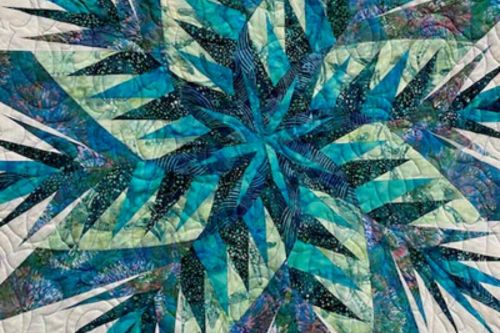
Quilters understand that the journey from a simple bolt of cloth to a finished masterpiece requires patience, skill, and the correct equipment. When you first sit down to piece a quilt together, the sheer number of available tools might seem overwhelming, yet each one serves a distinct purpose in the creation process.
While skill plays a massive role, even the most talented hands struggle when forced to work with dull blades or inaccurate rulers that slip on the fabric. The modern era of quilting offers multiple devices designed to reduce strain on your body while increasing the precision of your cuts and seams. The tools that make quilting easier can revolutionize your workflow, allowing you to focus on color and design rather than fighting with your materials.
The Rotary Cutter Revolution
A sharp rotary cutter slices through multiple layers of cotton with incredible speed and accuracy. It allows you to create perfectly straight lines without the jagged edges that scissors often leave. This tool saves immense amounts of time during the initial preparation phase of any project.
Safety features on modern cutters protect your fingers when the blade is not in use. You must replace dull blades often to ensure clean cuts and prevent fabric damage. A comfortable handle reduces hand fatigue during long sessions of cutting intricate quilt pieces.
Self-Healing Cutting Mats
A high-quality cutting mat protects your work surface from the sharp blade of your rotary cutter. These mats possess a unique surface that closes after you make a cut. They also provide grid lines that help you measure fabric with extreme precision and ease.
Most mats feature measurements on both sides to extend the life of the product. You should keep these mats away from direct heat to prevent warping or other damage. Regular cleaning removes lint that can accumulate in the cuts and dull your blades.
The Importance of Rulers
Clear acrylic rulers allow you to see the fabric underneath as you measure and cut. Non-slip grips on the back prevent the ruler from sliding while you apply pressure. Acrylic rulers come in various shapes and sizes to accommodate different size blocks or strip pieces.
Square rulers help you trim blocks to the exact size needed for your specific design. Long rectangular rulers work best for cutting long strips of fabric from the bolt. Investing in a variety of sizes ensures you always have the right tool available.

Advanced Sewing Technology
Modern sewing machines offer features that handle thick layers of a quilt sandwich with great ease. Investing in high-quality quilting sewing machines is the best way to achieve professional results. These devices often include an extended throat space to accommodate large rolls of bulky quilt batting.
Programmable stitch patterns allow you to add decorative elements to your borders and sashing. Automatic thread cutters save time and keep your workspace free of loose thread snippets. A good machine acts as a partner in your creative process rather than a hindrance.
Needles and Thread Selection
The correct needle is one of the most important tools that make quilting easier because it pierces fabric cleanly without causing snags or large holes in the weave. You must match the needle size and type to the weight of your chosen thread. Regular replacement of needles prevents skipped stitches and ensures the machine runs smoothly and quietly.
High-quality cotton thread blends seamlessly into the fabric and withstands the test of time. Polyester thread offers strength but can sometimes cut through delicate cotton fibers over many years. Your choice depends on the specific requirements of the quilt and its intended future use.
Ironing and Pressing Tools
A hot steam iron flattens seams to ensure your blocks lie flat and fit together. A wool pressing mat absorbs heat and presses the block from both sides at once. This combination results in crisp seams that make the final assembly much easier and more accurate.
Small craft irons reach into tight corners without burning your fingers or the surrounding fabric. Starch sprays add stiffness to the fabric, which helps stabilize bias edges during the assembly. Proper pressing technique creates a professional finish that separates amateurs from true quilt artists.
Pins and Clips Essentials
Sharp pins hold layers of fabric securely in place while you sew your seams together. Glass head pins resist the heat of the iron if you press over them. Magnetic pincushions keep these small, sharp objects safely contained and easy to grab when needed.
Plastic clips offer a great alternative to pins when working with thick bindings or layers. They hold the edges together firmly without distorting the fabric or pricking your fingers. Clips work exceptionally well for holding the binding in place during the final stitch steps.
Essential Organization Systems
A tidy workspace allows you to find what you need without frustration or wasted time. Clear storage bins let you see your fabric stash and tools at a quick glance. These are some of the best suggestions to keep your space efficient and ready:
- Design walls let you arrange blocks visually before you sew them into a final top.
- Thread racks display your colors clearly so you can match them to your current project.
- Bobbin holders prevent tangles and ensure you always have a full bobbin ready to go.
- Project bags keep all the pieces for one quilt together and safe from dust or loss.
- Labels identify contents of boxes so you never have to guess what is inside.
Ergonomic Seating Solutions
A supportive chair protects your back during long hours spent at the sewing machine table. Adjustable height ensures your arms stay at a comfortable angle while you feed the fabric. Good posture prevents strain and allows you to quilt for years without pain or injury.
Wheels on the chair allow you to move between your sewing and pressing stations easily. Breathable fabric on the seat keeps you cool even during intense sessions of machine work. Your physical comfort directly impacts the quality of your work and your enjoyment of it.
Proper Lighting Fixtures
Bright LED lights illuminate your work area and reduce eye strain while you stitch details. Flexible lamps allow you to direct light exactly where you need it on the machine. True color bulbs help you select fabrics that coordinate perfectly without any nasty color surprises.
Magnifying lamps help you see tiny stitches when you need to rip out a mistake. Good lighting transforms a dim room into a vibrant studio where you can work anytime. Seeing your work clearly ensures accuracy and prevents mistakes that are hard to fix later.
The transformation of simple fabric into a cherished quilt relies heavily on the tools utilized. While the artist provides the vision, the equipment provides the means to execute it well. From the precision of a rotary cutter to the power of a modern machine, each item plays a role.
The right tools remove the struggle and leave only the joy of creation for you. As you build your collection of equipment, remember that quality often outweighs quantity in the end. Choose items that feel good in your hand and serve your specific creative needs well.