

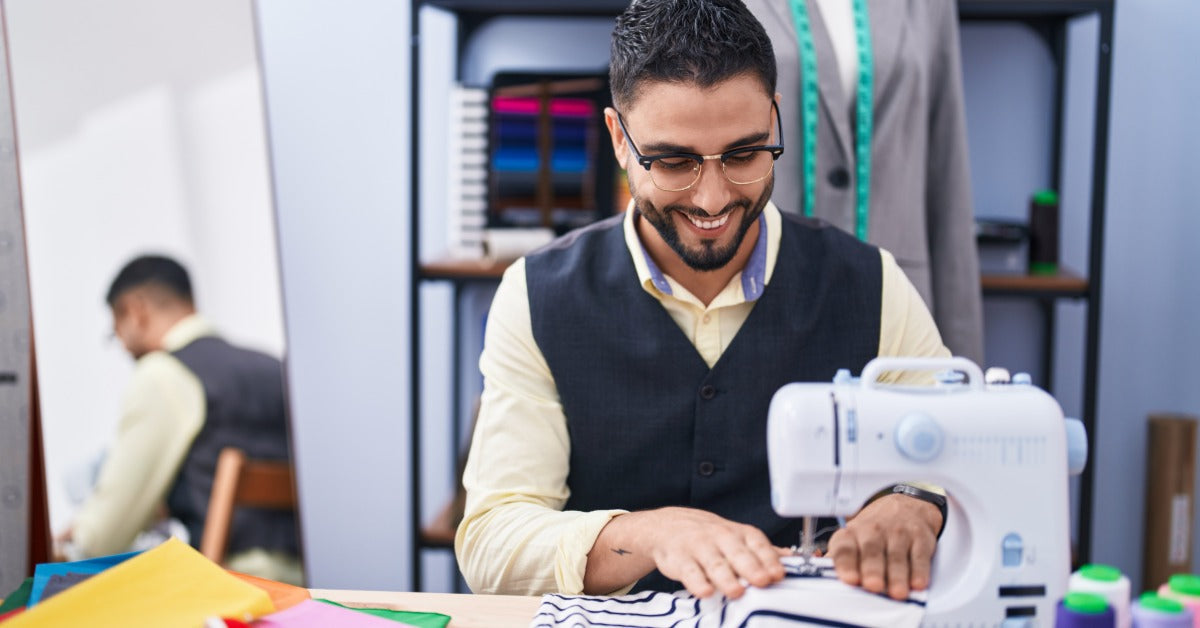
You sit down to sew just for a moment, and before you know it, hours have passed. Your project looks great, but your back feels tight, and your shoulders are ready for a break. When you create a setup that reduces fatigue, you’ll find sewing more rewarding. A well-designed workspace also makes it easier to delve deeper into your projects or take on new challenges. Make your sewing space more comfortable and efficient with these tips.
Simplify Your Workflow
Poor posture isn’t the only thing that causes fatigue. Aches and tiredness also build when you keep getting up for scissors, reaching across the table for clips, or moving fabric piles around just to find what you need. When your workflow is scattered, sewing takes more effort than it should, and your body feels it.
Look at the order of your usual process and arrange your space around that pattern. Keep cutting tools near the prep area, place thread and notions close to the machine, and give finished pieces their own spot.
Support Natural Positioning
A big part of creating a sewing setup that reduces fatigue is keeping your body in a natural, comfortable position. Natural positioning means your shoulders stay relaxed, your wrists stay neutral, and your back remains supported instead of strained. It allows your arms and hands to move freely without reaching, twisting, or tensing up during each step. You can work comfortably by keeping the machine at the right distance, using a sewing chair, and lining your body up with the needle area.
Keep the Machine Close

You should place the machine so your arms can move without constant shrugging or twisting. When the machine feels too far away, you lean forward. When it sits at an awkward angle, your shoulders and wrists work harder than they need to.
Place your sewing machine close enough that your elbows can stay relaxed by your sides while you work. If you notice your shoulders lifting or your arms reaching forward to guide the fabric, the machine is likely too far away, so you should move it closer. On the other hand, if your wrists feel cramped or your elbows press too tightly against your sides, shift the machine slightly farther out.
Sit With Steady Support
Your seat affects how well you can line your body up with the machine. With an adjustable sewing chair, you can stay at the right height and position. A stable, comfortable chair also makes it easier to keep your feet placed well for pedal control without shifting around too much. With the right chair, you’ll put less strain on your shoulders, back, and hips.
Align Your Body With the Needle
Try to sit so your body lines up naturally with the needle area, rather than twisting slightly to one side. Even a small off-center position can make one shoulder work harder over the course of a project. Keeping yourself centered helps both hands share the work more evenly as you guide the fabric. As a result, your upper body can stay more relaxed and consistent while you sew.
Improve Lighting Around Your Workspace
Good lighting does more than help you see your stitches clearly. It also affects how your neck, shoulders, and eyes feel during a sewing session, because poor lighting makes you lean in and tense up without realizing it. A single overhead light usually is not enough for sewing. Many sewists get better results from a mix of overhead lighting, focused task lighting near the machine, and softer room lighting for darker areas.
These lighting tips make your sewing space easier for your eyes and body:
- Aim task lighting directly at the needle area.
- Light your work surface, not just the room.
- Use softer ambient light to reduce harsh contrast.
- Add extra light when working with dark fabrics.
- Adjust your lighting if you notice yourself leaning in to see better.
Add Cushioning Underfoot
Even while you’re seated, your lower body supports balance, pedal control, and repeated movement. When the surface feels too hard, slick, or unforgiving, small movements can feel more tiring.
A supportive mat or cushioned surface can make the area around your machine more comfortable and stable. Place it where your feet naturally rest while sewing, and make sure it also covers the spot where you stand for nearby tasks like pressing, trimming, or checking layout pieces.
Keep Tools and Supplies Within Reach

A sewing space feels more relaxing when the tools you use most stay close at hand. Reaching up to tall shelves or digging through deep drawers breaks your pace and adds extra strain on your shoulders and back. Clear containers, shallow drawers, magnetic holders, and tabletop organizers all help you see what you have without much effort.
To organize your sewing setup, you should:
- Keep daily tools at arm’s length.
- Store backup supplies in nearby drawers.
- Place rarely used items higher up.
- Separate sharp tools from soft goods.
- Return each item after use.
Control Heavy or Bulky Fabric
Large quilts, thick fabrics, and layered projects can make sewing more physically demanding. As fabric weight pulls away from the machine, your hands and shoulders start compensating for it.
Support the fabric before and after the needle so you are guiding it instead of carrying it. When the fabric glides rather than drags, your arms can stay more relaxed. A nearby extension surface, side table, or cleared work area helps bulky material move more smoothly.
Take Frequent Breaks
Even a well-designed sewing space works best when your habits support it. A short pause to roll your shoulders, unclench your hands, or stand up between steps can refresh your focus.
Those small resets fit naturally into sewing because many projects already have built-in stopping points. Use routine moments as reminders to shift your position. Stand after winding a bobbin, stretch after finishing a seam run, or reset your posture before starting the next section.
A comfortable sewing setup supports better concentration, steadier handling, and a more enjoyable pace. With a supportive workspace, longer sessions feel more inviting and less draining. At Authorized Vac and Sew, we have the equipment and supplies you need for a well-organized sewing station. Shop with us to reorganize your space and keep up your energy.