

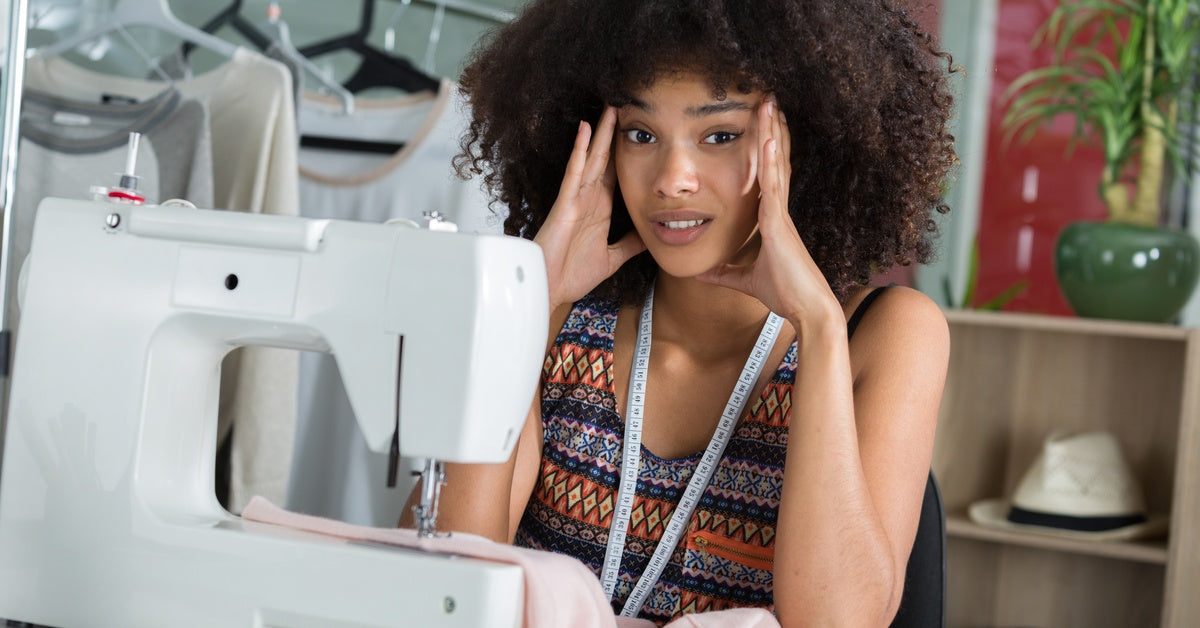
Sewing gets more interesting as your skills grow, but your machine doesn’t always keep up. A model that once felt reliable can start to slow you down when projects get larger, fabrics get trickier, or your expectations get higher. Newer or more advanced models have helpful features that make sewing smoother and faster. If your sewing machine has begun to feel like the weak link in your routine, it might be time to upgrade it.
Your Projects Feel Limited
A sewing machine should support the projects you want to make, not steer you away from them. When you start passing on bigger ideas or avoiding techniques you want to try, your machine may no longer fit the way you like to sew.
You may notice yourself scaling back your plans to match what the machine can handle comfortably. For example, are you avoiding quilting larger pieces, sewing thick layers, or working on projects that need more space around the needle? When this happens, sewing starts to feel less creative and more like a series of workarounds.
Thick Fabrics Cause Frustration
Denim, canvas, fleece, layered cotton, and quilt sandwiches ask more from a machine than simple lightweight fabric does. Thick layers can feel hard to guide smoothly, especially when bulk starts building up near the presser foot. Additionally, dense materials may make it harder for the needle to move cleanly through every layer.
A stronger machine may have these features that make it easier to sew thick fabric:
- A more powerful motor helps the machine sew through dense layers.
- A sturdier internal frame gives the machine better stability.
- Better needle penetration helps the needle pass through thick fabric with more control.
- A stronger feed system moves bulky fabric more evenly under the needle.
- Presser foot pressure control reduces shifting, dragging, or bunching while you sew.
Its Features Are Too Basic

A simple machine can work very well, especially for beginners. Still, there comes a point when limited stitch options, a smaller workspace, or fewer control settings start affecting what you can comfortably do. Better features give you more flexibility in the kinds of projects you can take on. They can also make sewing easier for your eyes and hands.
Choosing the right features starts with thinking about the projects you sew and the frustrations you run into most often. A quilter may want more workspace and better stitch control, while someone sewing garments may focus on ease of use and fabric handling. You can compare the features of sewing machines online to see which models would improve your workflow.
Speed Control
Speed control lets you set a maximum sewing speed, giving you greater control during detailed work. This feature helps when you want to sew carefully around curves, corners, or precise seam lines.
Automatic Needle Threader
An automatic needle threader guides the thread through the needle with much less strain on your eyes. That can save time at the start of a project and after thread changes.
Presser Foot Pressure Adjustment
Presser foot pressure adjustment lets you change how firmly the foot presses down on the fabric. This helps the machine handle different materials more smoothly, whether you are sewing lightweight fabric, thick layers, or stretchy knits. It can improve fabric feeding and reduce shifting or puckering.
Larger Workspace
A larger workspace, sometimes called throat space, gives you more room to move fabric around the needle area. That extra room is especially helpful for quilts, bulky projects, and anything with a lot of fabric weight. It can make sewing feel less cramped and easier to manage.
Built-In Thread Cutter
A built-in thread cutter trims the top and bobbin threads, so you don’t have to reach for scissors every time. This convenience saves time during longer sewing sessions or projects with frequent stops and starts. It also keeps your sewing area a little tidier as you work.
You Want Better Precision

As your skills improve, you can spend more time refining the details of your work. Cleaner stitch quality, steadier feeding, easier stitch selection, and more exact control are important when you want polished results. At that point, a basic machine may start feeling restrictive.
These are some signs that precision has become a bigger priority for you:
- You spend extra time correcting uneven stitching.
- You want smoother fabric feeding on longer seams.
- You use specialty stitches more than before.
- You want easier control over speed and needle position.
- You care more about polished finishing details.
You Avoid Certain Fabrics
Sometimes the fabric you leave on the shelf is the clearest sign it’s time to upgrade your sewing machine. If knits, thicker materials, slippery fabrics, or layered projects feel like too much work on your current machine, you may already be editing your creativity around its limits.
A better-matched machine makes it possible for you to work with the fabrics you love. Instead of planning around what might go wrong, you get to think more about what you want to make.
Your Machine Feels Uncomfortable
You shouldn’t feel discomfort when using your sewing machine. Eye fatigue, awkward threading, and hand tension from clunky controls can make sewing feel more tiring than it should. Newer machines may improve comfort with features that simplify setup and make the sewing process feel more natural.
Brighter built-in lighting can reduce eye strain by making it easier to see the needle area and your stitch line. An automatic needle threader can ease frustration and save your eyes from the repeated effort of threading by hand. Smoother, more intuitive controls can reduce hand tension by making adjustments quicker and less awkward. A larger work area provides more room to guide fabric without feeling cramped or crowded.
Sometimes, sticking with the same sewing machine limits what you can do. If your machine no longer matches your projects, comfort needs, or skill level, consider getting a more advanced model. With better controls and capabilities, you have more freedom to learn and refine your skills. At Authorized Vac and Sew, we carry a selection of hardworking sewing machines for hobbyists and professionals. Shop with us today to find the equipment that supports your creative goals.