

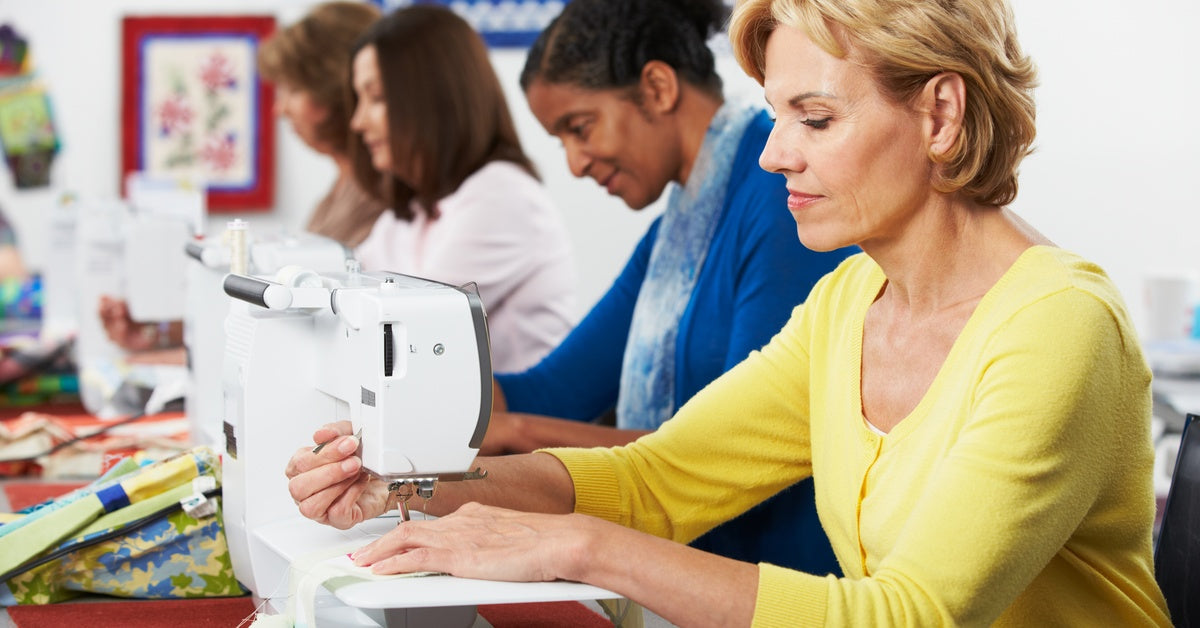
Sitting down to learn your machine for the first time feels exciting—you imagine smooth seams, creative projects, and finally bringing your ideas to life. Then the buttons, threading paths, and tension settings start to feel complicated, and you worry about stitching poorly or damaging the machine. In a beginner sewing class, you can expect to experience hands-on guidance, step-by-step instruction, and the confidence that comes from completing your first simple project.
A Warm Welcome
Walking into a beginner sewing class should feel friendly, not intimidating. You’ll typically get a quick orientation so you know where to put your things, where supplies live, and how the session will flow.
Many local sewing shops create a real sense of community through classes and events, and your instructor can explain these offerings to you. These sessions go beyond a one-time lesson by building your skills through guided projects, practice, and hands-on instruction. You’ll learn more about your machine, sewing techniques, and troubleshooting tips while getting the encouragement you need to stay motivated.
Learning Machine Parts and Controls
Beginner classes usually start by helping you feel comfortable sitting at the machine. You’ll learn what each main control does, then you’ll try a few basics right away. Instructors encourage slow practice, so you won’t feel rushed.
Most beginner lessons cover the handwheel, presser foot, needle area, and the basic controls you’ll touch the most. You’ll learn what each part does and why it matters when stitching. Additionally, the instructor may show you how small adjustments change how your fabric moves.
You’ll also hear helpful reminders about starting and stopping smoothly, which keeps stitches neat. It’s normal to need a few tries before your hands feel coordinated, and your instructor will give you the space and guidance to settle into the rhythm.
Threading and Setup

Threading a sewing machine involves placing the spool correctly, guiding the thread through designated tension points, and securing it through the needle and bobbin system. Each step matters because proper threading keeps stitches even and prevents jams or tangled thread. A beginner sewing class walks you through the process slowly, helping you understand not just how to thread the machine, but how each step affects your results.
Before you start sewing, machine setup involves checking your needle, adjusting settings, threading correctly, and aligning your fabric. Your instructor demonstrates the process and gives hands-on guidance. They’ll also explain the signs that you need to adjust your setup and how to correct it.
Proper Posture and Workspace Setup
Good posture starts with chair height and foot placement, so you don’t hunch over the bed of the machine. You’ll learn how to position fabric so your shoulders relax while you guide the seam. Moreover, instructors may remind you to keep your wrists neutral and your elbows close to your sides.
After posture, you’ll usually hear quick tips about lighting and keeping the sewing area clear. A tidy surface makes it easier to spot thread tails, pins, and fabric edges.
Beginner-Friendly Fabrics
Fabric choice changes how easy sewing feels, so beginner classes usually steer you toward materials that behave well. You’ll learn why stable fabrics feel easier to guide and why stretchy or slippery fabrics feel more challenging. Additionally, the class may show you how grain and texture affect cutting and stitching.
Here are key characteristics of beginner-friendly fabrics:
- Holds its shape without stretching.
- Feeds evenly under the presser foot.
- Lies flat and stays flat when handled.
- Presses cleanly without puckering.
- Has a smooth, consistent surface.
First Stitches Practice

Once you’re set up, you’ll start stitching on scraps before you touch a real project piece. That practice time helps your hands learn speed control, fabric guidance, and how the machine sounds when everything runs smoothly. The instructor will provide instant feedback as you work, which helps you learn more efficiently and lock in good habits.
A short practice session can show you exactly what your hands and the machine need, especially when you stitch several lines at different speeds and compare the results. Your instructor may have you focus on simple goals like keeping an even seam allowance and guiding fabric without pulling.
Doing a Simple Starter Project
Most beginner classes include a small project because finishing something builds momentum. You might sew straight seams, turn corners, or practice pressing and trimming as you go.
A starter project gives your practice a purpose, which makes the steps easier to remember. You’ll see how threading, seam guiding, and pressing come together to create one finished item. Moreover, you’ll see how small improvements add up across a single project.
Overcoming Challenges and Fixing Mistakes
Every new sewist hits a few bumps, and your class will help you expect them instead of fear them. You’ll practice spotting what’s wrong, making a simple adjustment, and getting back to stitching without panic.
These are typical issues you’ll learn to correct in class:
- Tangled thread at the start of a seam.
- Incorrect bobbin placement.
- Sewing with the presser foot raised.
- Pulling or pushing fabric while stitching.
- Stitch problems caused by threading errors.
Skills Recap and Next Steps
Your class will end with a quick recap so you leave clear on what you learned and what to practice next. You’ll review key skills like threading, basic stitching, and simple troubleshooting. Then you’ll get a few realistic ideas for projects that build on the same techniques.
As you continue practicing at home or in future classes, the basic steps will become automatic. From there, you can further refine your technique and level up your skills. Each time you set up your machine, sew a line, and correct a minor issue, you build more control.
In a beginner sewing class, you can expect guided practice and steady progress. You’ll share the experience with people in the same boat as you, and your knowledgeable instructor will help you develop foundational skills you can keep building on. At Authorized Vac and Sew, we love supporting sewists of all levels through our sewing classes in Fresno, California. In our beginner classes, you’ll get practical instruction, real-time feedback, and plenty of time to practice without feeling rushed. Stop by our store for an upbeat and encouraging session!