

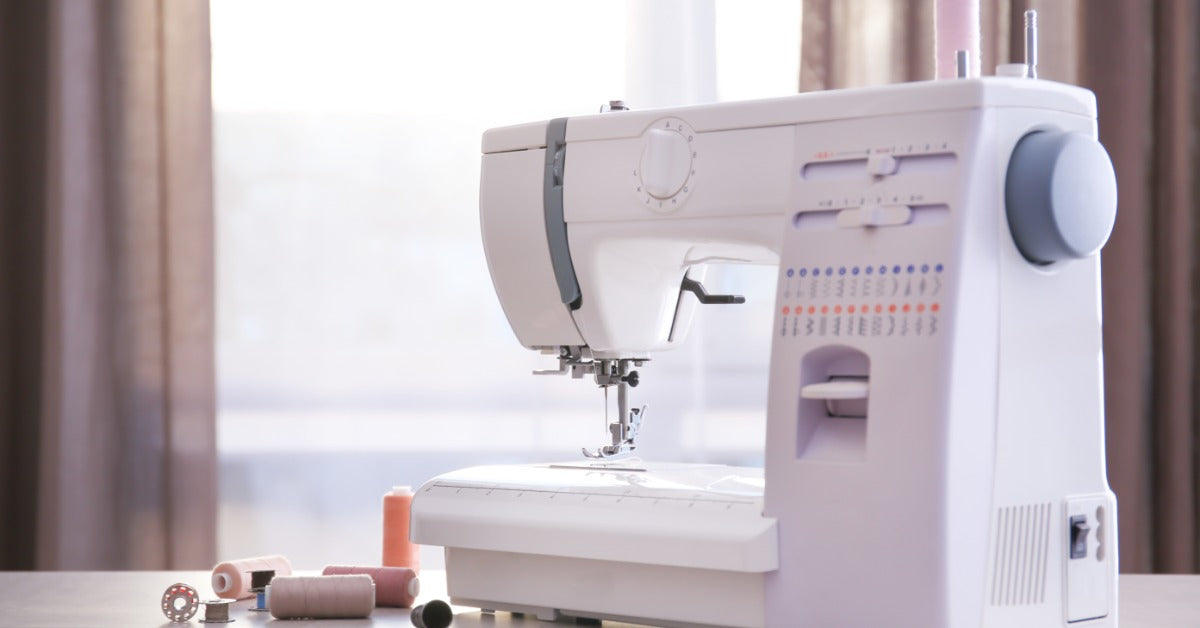
Shopping for a sewing machine gets confusing fast when every model seems to promise smoother seams, smarter controls, and endless stitch choices. But the best sewing machine for you depends on the projects you want to make. Maybe you want to mend clothes, start upcycling thrift finds, make gifts, or finally tackle the stack of fabric waiting in your closet. Look past the long spec list and focus on the features that matter most when comparing sewing machines.
Stitch Options
Stitch options tell you what kinds of seams, finishes, and decorative details a machine can create. A huge stitch menu looks exciting, but clean stitch quality and easy adjustment usually help more than possibilities you’ll rarely touch. Garment sewing needs useful stretch and finishing stitches, while quilting may call for even straight stitching and decorative accents.
Here are common stitches and their uses:
- Straight stitch helps with seams, piecing, topstitching, and basic repairs.
- Zigzag stitch finishes raw edges and adds flexibility to some seams.
- Stretch stitches move with knits, leggings, T-shirts, and activewear fabrics.
- Buttonhole settings help create cleaner closures on shirts, bags, and garments.
- Adjustable stitch length and width give you more control over the final look.
Speed Control
Speed control affects how fast or slow the machine stitches while you guide the fabric. A foot pedal gives basic control, but some machines also include a speed slider that limits the top speed. That slider helps beginners, detailed sewists, and anyone sewing curves because the machine won’t suddenly take off.
When comparing sewing machines, speed control belongs near the top of the most important features. Slower speeds help with corners, appliqué, quilting lines, and small pieces. Faster speeds help when you’re sewing long seams, curtains, or simple fabric panels.
Fabric Handling

When a home sewing machine handles fabric well, it moves the material under the needle steadily. This feature becomes especially important when you sew denim, fleece, quilt layers, knits, or textured fabric.
Feed dogs are the small metal teeth under the presser foot that move fabric forward as you sew. When they grip well, your seams look smoother because the fabric moves at a consistent pace. Some machines also let you drop the feed dogs for free-motion quilting or certain creative techniques. Strong feeding helps when you sew across bulky seams, layered hems, or mixed fabrics in upcycled projects.
Throat Space
Throat space is the open area between the needle and the right side of the machine body. Small projects don’t need much room, but bigger projects feel cramped when fabric bunches up against the machine. Quilts, coats, curtains, costumes, and large home décor pieces all benefit from extra space.
Extra throat space gives your hands more room to guide fabric without fighting the machine. It also helps bulky material sit flatter, which can make your stitching feel smoother and more controlled. A compact machine still makes sense for small spaces, simple repairs, and casual sewing. However, sewists who want to quilt or sew large pieces should compare this measurement carefully before buying.
Presser Feet
Presser feet guide and hold fabric as it moves through the machine, so the foot you use can affect how smooth, neat, or controlled your stitching feels. Some feet work well for everyday seams, while others make specific tasks easier, such as adding zippers, sewing buttonholes, finishing edges, or quilting layers. When comparing sewing machines, check which presser feet come with the model and which optional feet you can add later.
Here are some types of presser feet and the sewing tasks they do:
- An all-purpose foot handles basic seams, straight stitching, and zigzag stitching.
- A zipper foot lets the needle stitch close to zipper teeth, piping, or narrow edges.
- A buttonhole foot creates even buttonholes that match the size of the button.
- A walking foot feeds the top and bottom fabric layers more evenly, which helps with quilting, plaid matching, and bulky fabrics.
- A quarter-inch foot helps sew accurate 1/4-inch seams, especially for quilting and piecing.
- A blind hem foot guides the fabric fold so you can create cleaner hems on pants, skirts, and curtains.
- An overcasting foot helps finish raw fabric edges and reduce fraying with an overcast or zigzag stitch.
Bobbin System

The bobbin holds the lower thread, which works with the top thread to form each stitch. A top-loading bobbin lets you drop it into place and check the thread level through a clear cover. This setup can make sewing a little easier to manage.
A front-loading bobbin slides into a removable bobbin case at the front of the machine. Both styles can work well, but they may feel different during setup and troubleshooting. Since bobbin issues like thread jams, uneven winding, or tricky placement can quickly interrupt a project, check how easy the bobbin system is to use.
Needle Threader
Ever get frustrated trying to guide a tiny thread through a tiny needle eye? A needle threader helps with that step by pulling the thread through for you. This small feature can save time, especially if you sew at night, use fine thread, or struggle to see tiny details. It also removes one of the most annoying setup steps for beginners.
Some machines have a simple manual threader, while others offer a more advanced automatic version. Either way, compare how easy it feels to use because a fussy threader doesn’t help much. Additionally, check the full threading path on the machine, since clear guides make setup smoother before you reach the needle.
Lighting and Controls
Controls affect how quickly you can choose stitches, adjust settings, and move between different parts of a project. Some machines use simple dials and buttons, while others have digital screens. Either style can work well, so check how easy the controls feel to read and adjust.
Computerized controls may feel helpful if you like clear prompts and quick changes to settings. Mechanical controls may appeal to you if you prefer a simpler layout with fewer menus.
Your best sewing machine is the one that fits the way you actually create. Some sewists need simple controls for repairs and small projects, while others need more space, stronger fabric handling, or extra stitch options. The key is choosing features that match your real projects. With the right machine, you can spend less time second-guessing your setup and more time enjoying your craft. Find a machine that can keep up with your ideas at Authorized Vac and Sew.