

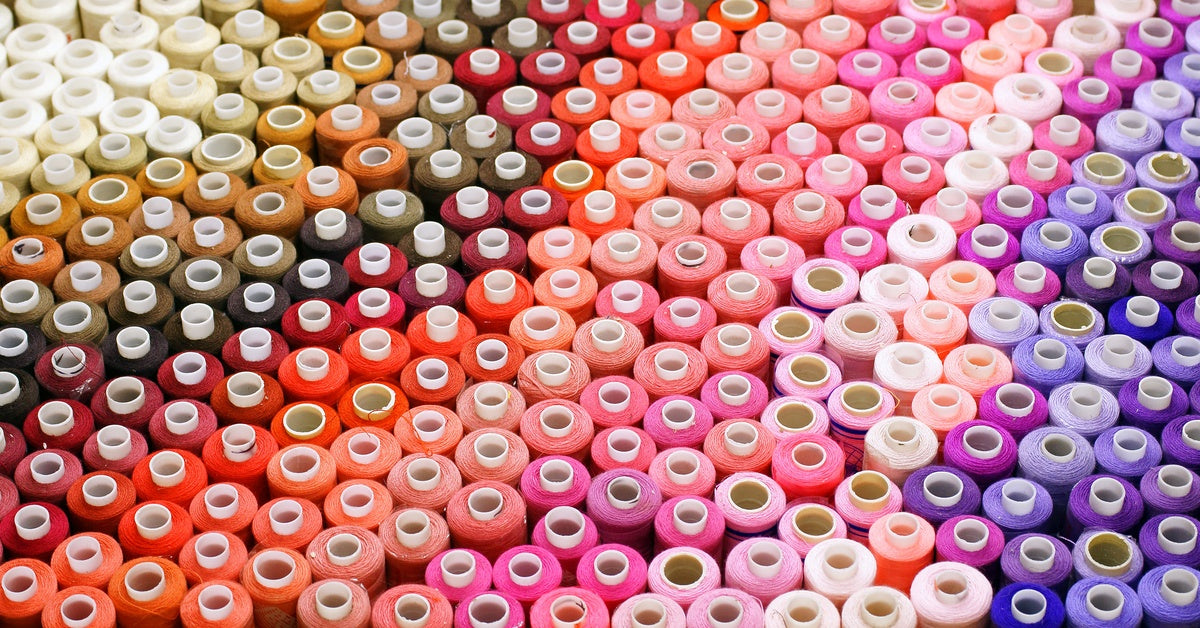
A beautiful embroidery design doesn’t begin when the needle hits the fabric; it starts when you pick the thread. The wrong spool may fray, dull the design, or make a simple project feel fussy. But the right embroidery details bring the design to life through color and sheen. When you’re choosing threads for machine embroidery, think about shine, strength, fabric type, and the look you want.
Start With Thread Fiber
Thread fiber affects how your design looks, feels, and holds up after use. Polyester thread has become a dependable choice for many everyday projects because it offers strength, a wide range of colors, and good performance in items that may be washed. Rayon has a smooth sheen and a softer drape, which makes it appealing for decorative work. Cotton embroidery gives a softer, matte look, while metallic thread adds sparkle for a special accent.
Light Fabrics Need Care
Lightweight fabrics usually look best with thread that won’t overpower the weave. A shiny rayon or polyester embroidery thread may work well when the design has open areas and a lighter stitch density. However, a dense design on thin fabric may pull, pucker, or feel stiff. Test stitching helps you see how the thread behaves before you commit to the final piece.
Think About Thread Weight
Thread weight tells you how thick or fine the thread is, but the numbering can feel backward at first. A higher thread weight number usually means a finer thread, while a lower number means a thicker thread. Many machine embroidery designs use 40-weight thread as a common starting point.
Good thread weight choices should support the design rather than fight it. Fine lettering, small details, and delicate fills may need a thinner thread, so the design stays clean. On the other hand, bold decorative areas may look richer with a slightly heavier thread.
Compare Shine and Finish

The finish of a thread changes the embroidery's personality. Shiny thread catches light and makes colors look bright, while matte thread has a softer, muted look. The finish should match the project's mood, not just the color chart.
These common finish choices show how thread appearance affects a finished design:
- Rayon gives designs a smooth, glossy look.
- Polyester offers shine with strong everyday durability.
- Cotton creates a softer, low-sheen finish.
- Metallic thread adds sparkle for accents and details.
- Variegated thread creates color changes across stitches.
After you choose a finish, look at the design size and stitch direction. A glossy thread may highlight texture beautifully, but it may also draw attention to every small stitch. Meanwhile, matte thread can make dense designs feel calmer and more subtle.
Select Colors With Care
Thread color can look different on the spool than it does once it’s stitched. A tightly wound spool may make the shade look darker, while the same thread can look lighter or brighter against your fabric. Hold the thread near the fabric in natural light, then check it again under the lighting where the finished piece will be used. If two colors seem close, stitch a small test sample before choosing one.
Think about how much contrast you want between the thread and the fabric. A soft tone-on-tone color can make embroidery feel elegant, while a brighter contrast can make lettering, borders, or small details easier to see. Also, compare the thread color to other colors in the design so that one shade doesn’t clash or disappear. When in doubt, choose the color that keeps the design clear without overpowering the fabric.
Better Machine, Better Thread Options
Newer embroidery machines can make thread changes easier with clearer color prompts, smoother tension control, and settings that help reduce thread breaks. Some models also have larger design areas or multi-needle options, making it easier to work with more colors in a single project. If you’re comparing embroidery machines in Fresno, look for features that support the kinds of thread and designs you want to use. Better machine support can make specialty threads less intimidating as your projects get more detailed.
Choose Thread by Project

A decorative wall hanging does not need the same thread as a sweatshirt, towel, or baby blanket. Wearable and washable items usually need thread that can handle regular use. However, display pieces may give you more room to choose thread for color, shine, or texture.
Here are a few common embroidery thread choices and the projects they typically fit best:
- Polyester thread works well for garments, towels, baby blankets, bags, and other items that may be washed regularly.
- Rayon thread suits decorative pieces and projects where a smooth shine is the main goal.
- Cotton thread fits quilt labels, vintage-style designs, soft home décor, and projects where you want a matte finish.
- Metallic thread works best for accents, holiday designs, borders, lettering details, and small areas that need sparkle.
- Variegated thread adds color changes to borders, floral designs, quilting details, and simple designs with open stitch areas.
Tip: Metallic Threads Need Patience
Metallic thread adds a beautiful finish, but it asks for a gentler setup. A lower machine speed, a suitable needle, and smooth thread delivery can reduce breakage. Some sewists also use a thread stand so the thread can unwind with less twisting. Do a short test run to adjust the tension and speed before working on the piece itself.
Use Quality Bobbin Thread
The top thread gets the attention, but the bobbin thread plays a major role in clean embroidery. Embroidery bobbin thread is usually finer than the top thread, which helps the design form without adding extra bulk underneath. Additionally, consistent bobbin thread helps your machine create balanced stitches.
These bobbin thread habits can help your embroidery look cleaner:
- Use bobbin thread made for machine embroidery.
- Match bobbin weight to your machine’s recommendations.
- Keep prewound bobbins lint-free and protected.
- Check that the bobbin unwinds smoothly.
- Replace damaged or uneven bobbins before stitching.
Store Threads Correctly
Thread lasts longer when you protect it from dust, light, and rough handling. Sunlight may fade colors, and dry storage areas may make some threads more brittle over time.
Keep thread cones upright or in covered cases where you can see the colors without exposing them to constant dust. Grouping threads by color family, fiber, or brand also makes future projects easier to plan. Additionally, write down thread numbers used in favorite designs so you can repeat the look later.
Polyester, rayon, cotton, metallic, and bobbin threads each have a place in machine embroidery. As you choose materials for your next project, consider fabric, finish, weight, color, and how the item will be used. When these details come together, your finished embroidery looks smoother and more polished. Authorized Vac and Sew offers machines, supplies, and support for sewists seeking better results in their embroidery projects. Stop in or shop online to find supplies and get guidance from passionate sewists.