

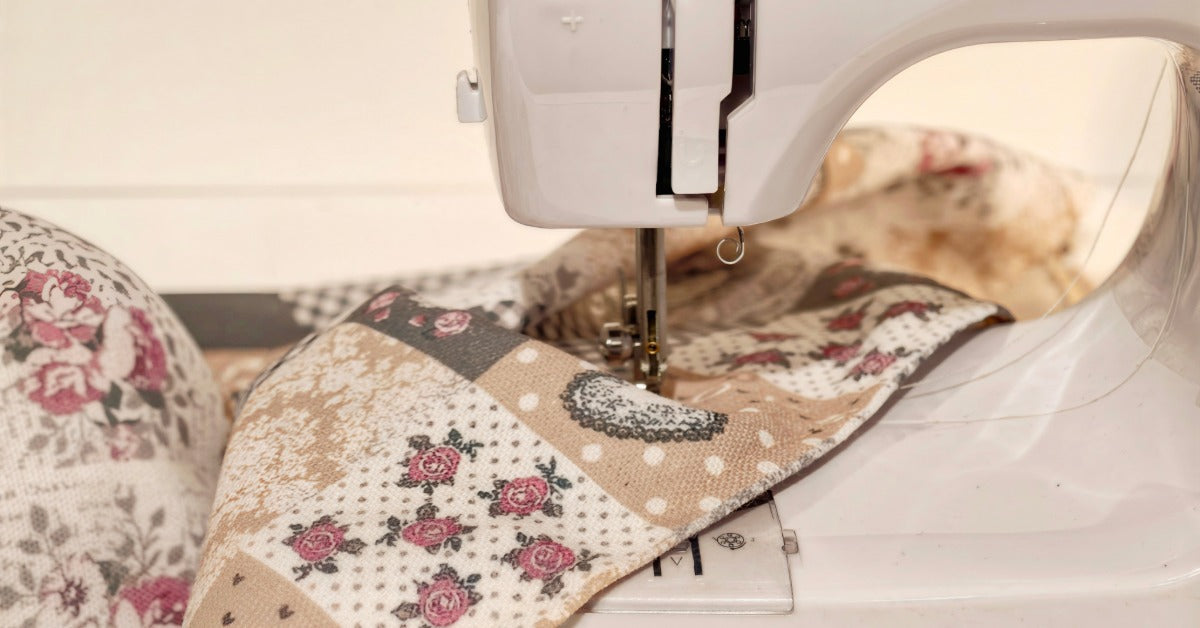
A simple sewing project can become so much more complicated when a large quilt starts bunching beside the needle, or its layers shift out of place. Standard machines can complete many quilting tasks, but some projects are easier with added workspace, feeding support, and specialized controls. Compare quilting and regular sewing machines to see how each can fit into your sewing setup.
Dedicated Quilting Controls
Quilting machines often include controls designed for layered fabrics, detailed stitching, and frequent changes in direction. While available functions vary by model, these features can make it easier to manage both straight-line and free-motion quilting.
Adjustable Stitch Length
Adjustable stitch length lets you change how closely the stitches sit along a seam or quilted line. Shorter stitches may suit detailed areas, while longer stitches can work well for basting or certain decorative effects. Quilting machines may provide more precise adjustments or easier access to these settings. That added control helps you match the stitch length to the fabric, batting, and design.
Needle-Down Positioning
A needle-down setting leaves the needle in the fabric when you stop sewing. This creates a pivot point so you can turn the quilt without losing your place or shifting the layers. It’s especially helpful when stitching corners, curves, or detailed patterns. Some regular sewing machines include this feature, but it is particularly useful for frequent quilting.
Free-Motion Settings
Free-motion quilting requires you to guide the fabric in multiple directions while the machine forms the stitches. Quilting machines may include simple feed-dog controls and compatible presser feet. These tools give you greater freedom to create loops, curves, stippling, and custom designs. Consistent results still take practice, but the right settings make the learning process smoother.
Larger Workspaces Support Bulky Quilts

One difference between quilting and regular sewing machines is the available space to move layered fabric. Quilting sewing machines have a larger workspace, which can reduce bunching and make it easier to support the quilt.
Wider Throat Space
Throat space is the open area between the needle and the machine body. A wider throat gives you more room to roll, fold, or reposition a large section of a quilt. This can be especially helpful when quilting the center of a bed-size project. Regular sewing machines may have less space, which can make bulky quilts harder to maneuver.
Extension Table Support
An extension table increases the flat surface around the sewing machine. It supports more of the quilt’s weight, so the fabric doesn’t pull as heavily against the needle area. A level surface also makes it easier to guide layers without letting them hang over the edge of a small table. Some quilting machines include an extension table, while others offer one as a compatible accessory.
Improved Fabric Visibility
A larger sewing area can give you a clearer view of the fabric in front of and behind the needle. Better visibility helps when following marked lines, aligning patchwork seams, or checking how layers are feeding.
Feed Systems Keep Layers Aligned
A quilt usually includes a top layer, batting, and backing that must move through the machine together. Many sewing machines for quilting include feeding features or accessory options designed to reduce shifting between those layers.
A standard feed system moves fabric from beneath using the machine’s feed dogs. Built-in dual feed adds support from above, so the upper and lower layers move at the same rate. This can prevent the quilt top from creeping ahead of the batting and backing. Dual feed is also useful when sewing slippery, stretchy, or patterned fabrics that must stay aligned.
Specialized Feet Expand Quilting Options
Quilting presser feet are designed for specific techniques, from stitching straight lines to creating free-motion patterns. A quarter-inch foot maintains consistent seam allowances when joining quilt blocks, while a free-motion foot gives the fabric space to move in different directions. An open-toe foot can improve visibility when following marked lines or stitching around appliqué pieces.
Regular sewing machines may accept many of the same feet, but the accessories are not always included. Quilting models may come with a broader selection or offer easier access to compatible specialty feet.
Speed Controls Improve Stitch Precision

Sewing too quickly can make it harder to guide bulky quilt layers with control. A speed-control slider lets you set a maximum pace, even if you press the foot control fully. This can help beginners build confidence and give experienced quilters steadier control during intricate work. Some regular sewing machines also include speed controls, so this feature is not limited to quilting models. However, quilting-focused machines may pair speed adjustment with a larger workspace and other controls that make detailed stitching easier.
Speed control can be especially helpful for:
- following curved quilting lines
- turning clean, controlled corners
- practicing free-motion quilting
- stitching around appliqué shapes
- maintaining an even sewing pace
Bobbin Features Reduce Interruptions
Quilting can use a large amount of thread, particularly when a design covers the entire surface. A machine with a larger bobbin capacity may let you sew longer before stopping for a refill. Easy-access bobbin systems can also allow faster changes when you are working with a large quilt around the needle area.
Some quilting machines provide a low-bobbin warning that alerts you before the thread runs out. Clear bobbin covers may also let you check the remaining thread without removing the bobbin. These conveniences help reduce unexpected stops mid-stitch. However, bobbin capacity and monitoring features vary, so compare individual models.
Regular Machines Fit Basic Sewing Needs
A regular sewing machine can handle quilt blocks, small projects, and simple straight-line quilting. Many models also work with quilting accessories such as a walking foot or extension table. This makes them a practical option for occasional quilting.
Quilting machines are often better suited for larger projects and frequent use. They may offer more workspace and added control over thick layers. The right choice depends on the size and type of projects you plan to sew.
Quilting machines are not defined by one feature, and regular machines are not limited to basic seams. The key differences usually involve workspace, fabric feeding, specialized controls, and accessories that make layered projects easier to manage. Think about the quilt sizes and techniques you use most often before comparing individual models. Browse quilting sewing machines at Authorized Vac and Sew to find the right fit for your creative work.