

Sewing feels more fun when your machine keeps up with your ideas. If you’ve ever fought with thread tension, missed a stitch change, or spent too long setting up, you already know how small hassles can slow a project down. Modern machine features make sewing smoother and more accurate, so you can be more creative. Explore the advantages of computerized sewing machines to see how these upgrades help beginners feel confident while giving experienced makers extra control.
Precise Stitch Control
A computerized machine gives you tighter control over stitch length, stitch width, and needle position. That means your topstitching looks straighter, your seam finishes look cleaner, and your detail work stays consistent. Additionally, quick adjustments feel less like guesswork because you can dial in the exact setting you want.
Many machines let you set a stitch length and keep it steady across long seams. You can switch fabrics or change speed without losing the even look that makes projects feel polished. Moreover, you can return to the same stitch settings later without trying to remember what worked, making it easy to repeat your results.
Built-In Stitch Libraries
One of the clearest advantages of computerized sewing machines is their wide selection of utility, stretch, and decorative stitches. Instead of relying on a handful of basics, you can pick a stitch that matches the fabric and the job. Instead of sticking to just a few basic stitches, you can pick a stitch that matches the fabric and the job.
You also get more freedom to customize the look of hems, edge finishes, and embellishments. A decorative stitch can add personality to a simple tote or tea towel, and a well-chosen utility stitch can make seams look tidy inside and out. Stitch libraries support both creative and practical sewing.
Faster Setup Features

Getting your machine ready takes time, especially when you sew in short bursts. That prep can include threading the top thread, loading the bobbin, changing presser feet, and testing a stitch on scrap fabric.
Many computerized models include time-saving features like easy threading paths, automatic needle threaders, and clearer threading guides. As a result, you spend less time prepping and more time sewing.
Simple Screen Controls
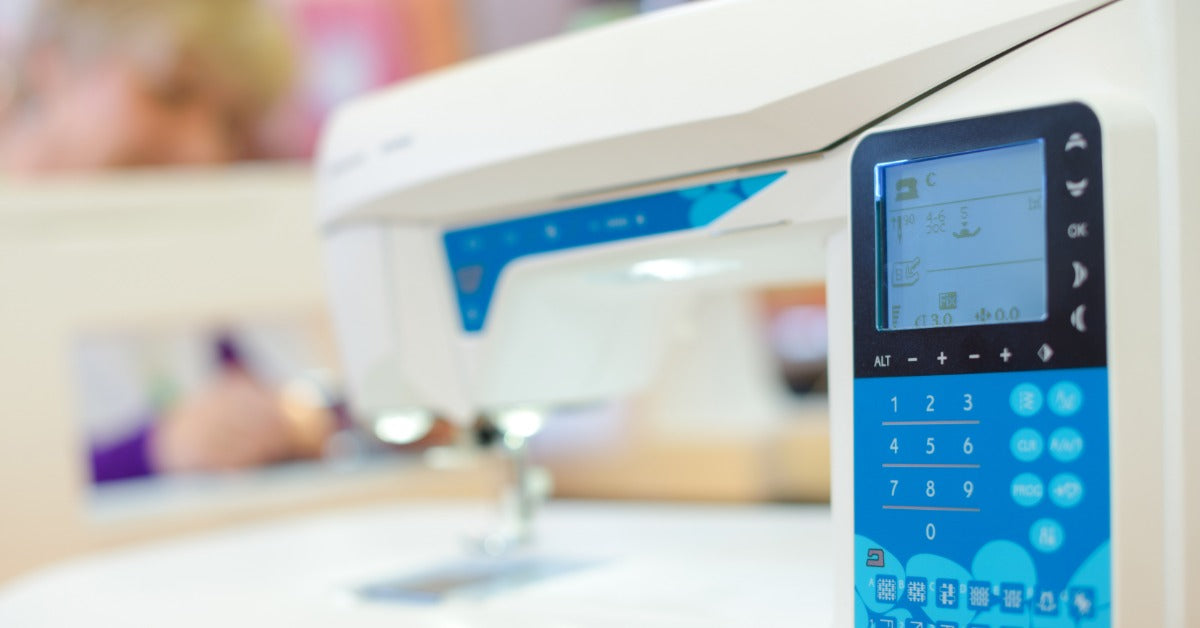
With a screen, you can choose stitches and adjust settings with less trial and error. Instead of flipping dials and guessing, the display shows exactly what you’ve selected. Many screens also show stitch length and width at a glance, so you can fine-tune without stopping your flow.
Screen controls can also make it easier to learn a new process, no matter your skill level. Clear menus and stitch previews help you understand what the machine will do before you start sewing. As a result, you spend less time troubleshooting and more time practicing new techniques.
Additionally, some screens recommend a presser foot or a starter setup, which makes the next step clearer. That guidance helps you switch tasks faster, like moving from piecing seams to topstitching or hemming, while keeping your results consistent.
Programmable Stitch Sequences
Programmable features let you create repeatable stitch patterns or combine steps in a predictable way. This comes in handy for decorative borders, quilt labels, or any project where you want the same motif repeated. Additionally, programmable stitch sequences reduce the stop-and-reset rhythm that breaks your focus.
Tip: Save Custom Stitch Combos
Some machines let you save a stitch pattern or a preferred setup so you can return to it later. You can keep a go-to setting for topstitching, another for piecing, and another for hemming stable knits. This kind of consistency helps when you batch-sew gifts or do production-style crafting at home.
Handle More Fabric Types

Different fabrics behave differently during sewing, which affects both feeding and stitch quality. A computerized machine makes it easier to fine-tune settings when you switch from quilting cotton to denim or from fleece to lightweight rayon. Therefore, you troubleshoot less and get more even stitches with fewer puckers and skips.
Here are some ways a computerized sewing machine makes it easier to switch between fabric types:
- Cleaner stitches on lightweight fabrics.
- Better control on thicker seams and hems.
- Easier adjustments for stretch materials.
- More predictable results across mixed fabric layers.
- Faster fine-tuning when you change projects.
Favorite Settings On Demand
Saved settings help when you find a sweet spot for a specific fabric and thread combination. For example, you can store a preferred stitch length for topstitching, then recall it when the next project uses similar materials. It’s a simple way to keep your work looking cohesive.
Faster Sewing Speeds
Speed matters when you tackle long seams, quilting passes, or big home decor projects. Computerized machines frequently pair higher speeds with stable stitching, so the machine feels controlled even when you work faster. As a result, you can finish large sections without stopping as much.
These practices keep fast stitching steady and precise:
- Start slower on tricky seams.
- Use the right needle for the fabric.
- Keep seams supported on the table.
- Guide fabric gently, without pulling.
- Pause to pivot instead of forcing turns.
When you compare sewing machines for sale, look closely at the features that support fabric changes, not just the stitch count. Pay attention to how the machine handles adjustments like stitch length/width, tension help, and any settings that make switching from light to heavy fabrics feel smoother.
Alerts and Maintenance Aids
Some computerized machines provide reminders or alerts that help you stay on top of basic care. When your machine gives feedback, you can catch small issues sooner, like a threading mistake or an incorrect setting. That support helps you avoid wasted time seam-ripping.
Computerized features don’t replace good habits, yet they make upkeep feel less mysterious. Pair those prompts with regular cleaning, the right needle, and quality thread, and your machine will behave more predictably. Additionally, a quick tune-up from trained technicians keeps performance steady, especially if you sew frequently.
Advanced machine features bring more control and flexibility to everyday sewing. User-friendly screens, programmable settings, and built-in stitch options help you work faster without sacrificing accuracy. Moreover, computerized functions help you move between fabrics and stitch styles with less guesswork. A well-equipped machine helps your ideas come together with fewer interruptions along the way.