

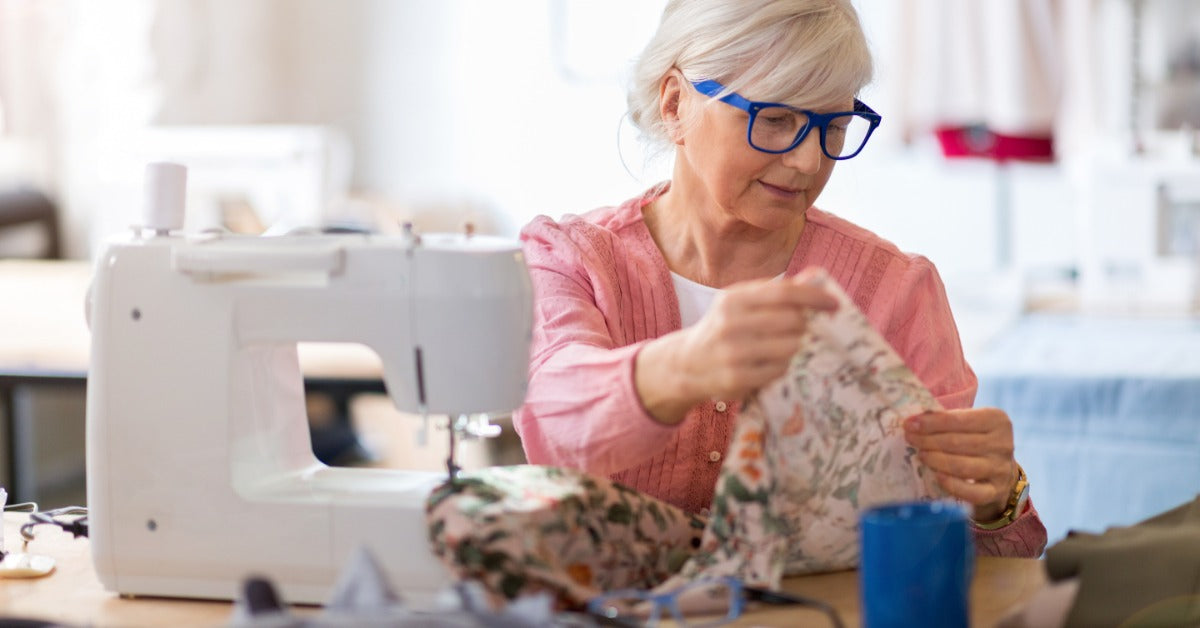
With more free time in retirement, many people begin looking for hobbies that feel both relaxing and rewarding. Sewing and embroidery fit the bill beautifully because they bring together creativity, problem-solving, and the simple pleasure of making something useful. Retirees are rediscovering the value of hands-on hobbies and embracing sewing and embroidery again. Whether you’re new to sewing or picking it up again, modern machines make the hobby more approachable and versatile.
A Creative Rhythm
A good retirement hobby needs staying power, and sewing has exactly that. One day you might work on home décor, and the next you might personalize gifts or try decorative stitching on a jacket. That variety keeps the hobby fresh, and you can pivot between projects as you grow your skills and explore your craft.
Sewing also creates a pleasant rhythm for the week. A person can spend an hour at the machine in the morning, step away, and come back later with fresh eyes. Additionally, projects break down into manageable steps, making progress feel steady rather than overwhelming. That structure appeals to anyone who wants creative freedom along with a bit of routine.
Easier Learning With Modern Machines
Learning sewing techniques feels much more manageable with today’s machines. Many models include automatic needle threading, clear stitch displays, and adjustable speed controls that make practice more comfortable. These features let users focus on understanding how stitches work instead of struggling with a complicated setup. Sewists can quickly build confidence while learning straight seams, decorative stitching, and basic embroidery.
Modern machines also help users practice techniques with greater consistency. Adjustable stitch length and width allow sewists to experiment and see how small changes affect their results. Some machines even include built-in tutorials or preset stitch settings that guide users through common techniques. With that kind of support, learning becomes more about creativity and less about troubleshooting.
Community Feels Good

Sewing may happen at home, but it rarely feels isolating for long. Classes, clubs, and in-store events give sewists a chance to meet people with similar interests and swap ideas in a relaxed setting. That social side brings extra energy to the creative process.
The following community events build a stronger sense of connection:
- Group classes offer a comfortable space to practice new machine skills.
- Project-based workshops make it easier to stay involved and keep learning.
- Shared tips give beginners helpful support as they improve.
- Seasonal events add variety and new inspiration.
- Sewing friendships make the creative process feel more personal.
Projects With Personal Meaning
Many retirees enjoy needlecraft because each finished piece can hold real personal meaning. A baby quilt for a grandchild, monogrammed linens for a wedding, or a personalized holiday table runner feels much more special than something bought off a shelf. In that way, these projects blend creativity with care.
That sense of purpose also helps the hobby stay rewarding. Rather than making items just to fill time, many retirees choose projects they plan to use, display, or give away. Every stitch supports a clear goal, which makes the process more enjoyable.
Technology Expands Possibilities
While modern machines simplify learning, they also open the door to more ambitious projects. Decorative stitch libraries, specialty presser feet, and digital design options allow people to add texture, patterns, and custom details that once required advanced hand techniques. Because of this, sewists can explore new styles and ideas without feeling limited by their tools.
Embroidery sewing machines expand those possibilities even further by combining sewing and embroidery functions in a single machine. These models allow users to load digital embroidery designs, stitch lettering or monograms, and scale or position patterns directly on a screen. Many machines also include built-in design libraries and USB connectivity for importing new patterns. With those features, retirees can personalize quilts, towels, bags, and home décor with detailed embroidery that once required specialized equipment.
Finding Inspiration
Fresh designs for sewing and embroidery come from many different places. Sewists often find inspiration in online tutorials, pattern collections, and project demonstrations that show new techniques step by step. Fabric stores, sewing classes, and community workshops also provide ideas and encouragement when starting a new project.
Small Wins Build Momentum

You do not have to work on a big, complicated project to enjoy sewing. Smaller projects give you a chance to practice, finish something quickly, and feel a sense of progress.
Here are a few simple projects that can be quick to finish:
- Embroidered kitchen towels for easy personalization.
- Pillow covers that give a room a fresh update.
- Table runners that offer practical sewing practice.
- Fabric bookmarks that use small scraps creatively.
- Simple zip pouches that build useful sewing skills.
Finishing small projects builds confidence and skills. Each completed item helps sewists better understand their machines, fabrics, and stitching techniques. Short projects also create a relaxed space for learning. A quick item, like a pouch or bookmark, lets you test a stitch pattern or embroidery design without a large time investment. That freedom makes it easier to experiment and gradually improve your skills.
Engaging the Mind and Body
Sewing and embroidery give people a hands-on way to stay mentally engaged. Choosing fabrics, following patterns, and adjusting stitches all require focus, attention, and problem-solving.
Sewing and embroidery also involve steady physical movement. Hands stay busy guiding fabric, trimming threads, changing presser feet, and smoothing materials into place as a project comes together. That gentle motion keeps the body engaged in a comfortable, low-pressure way.
Room To Keep Growing
Retirees are embracing sewing and embroidery again because these hobbies offer something new to learn at every skill level. Beginners can start by mastering basic techniques like threading the machine, sewing straight seams, and experimenting with simple decorative stitches.
As experience grows, sewists can explore more detailed techniques and creative approaches. Intermediate makers might refine their stitching accuracy, experiment with embroidery designs, or try new fabrics and stabilizers. More experienced sewists can focus on complex projects, advanced embroidery layouts, and personalized designs that showcase both skill and creativity. Room for growth keeps sewists curious and creative.
Sewing and embroidery bring together creativity, usefulness, and the satisfaction of making something from your own vision. Each project turns time and effort into something tangible and rewarding. Moreover, modern machines and welcoming sewing communities make it easier to keep learning and stay inspired. If this hobby has been on your mind lately, now is a wonderful time to explore it.