

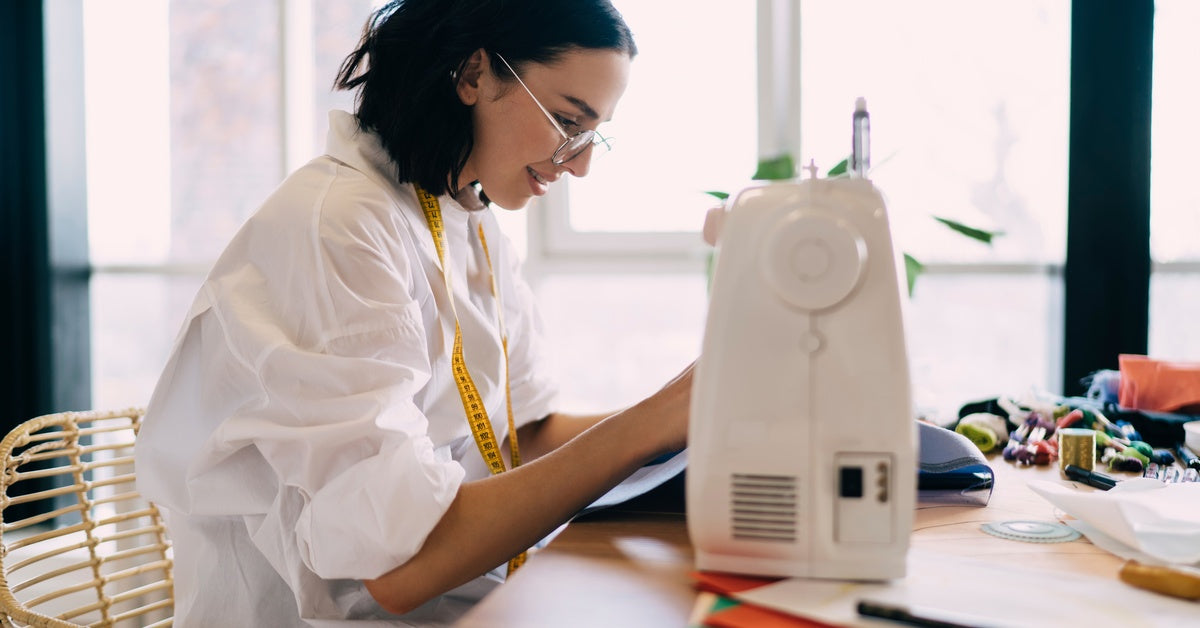
A sewing setup feels better when it works with your body instead of asking your body to work around it. During a project, you may sit tall for straight stitching, lean closer for precise details, and shift your arms and shoulders constantly as you guide fabric through the machine. Larger projects also call for extra reaching, turning, and repositioning, which can put tension on your back and neck. The benefit of using an adjustable sewing table is that it provides a better working position for all those motions, making sewing sessions easier on your body.
Finding Your Best Height
The right table height changes how your whole sewing session feels. When your machine sits too high, your shoulders stay raised, and your arms tire faster. When it sits too low, your back rounds and your neck leans forward.
An adjustable table gives you more control over that setup. Instead of settling for a one-size-fits-all surface, you can raise or lower the work area to match your chair, your height, and your sewing habits.
Better Posture Every Session
Good posture at the machine is less about sitting perfectly still and more about avoiding awkward positioning. A better table height allows your elbows to rest more naturally and keeps your wrists in a relaxed line while you guide fabric. Additionally, the right height keeps your eyes at a comfortable viewing angle.
Some sewists like working in a seated position, while others prefer a slightly taller setup that lets them sit on a stool or stand during parts of a project. With an adjustable table, you can work however you want. That flexibility becomes especially useful when you switch between precision work and larger construction steps. A single project may involve several body positions, and an adjustable height table provides the support you need.
Less Shoulder and Neck Strain

Neck and shoulder pain usually starts when you lean forward to watch your stitching closely, lift your shoulders slightly to guide fabric, or hold your arms at an awkward height for long stretches. These positions feel manageable at first, which is why the strain builds slowly instead of all at once. Over time, the tension turns into stiffness, tightness, and a dull ache that spreads across your upper back and neck. By the end of a session, you may notice soreness when you sit back or turn your head, even if everything felt fine earlier.
The greatest benefit of an adjustable sewing table is that it reduces physical strain. Instead of hovering in an awkward position that puts stress on your neck and shoulders, you can adjust the table height to bring the piece where you need it. You can pay more attention to stitch quality, fabric handling, and accuracy rather than fighting through aches and pains.
Stable Surface That Limits Wobble
A wobbly sewing table can make even simple stitching feel less controlled. Small shifts in the surface may affect fabric alignment, interrupt your rhythm, and make detailed work more frustrating. Unwanted movement becomes even more noticeable at higher sewing speeds or when you are trying to keep seams straight and even.
Quality adjustable sewing machine tables have sturdy frames and balanced construction that keep the surface steady while the machine runs. That added support makes it easier to guide fabric smoothly and keep your stitching more consistent.
Enough Depth to Support Fabric
Fabric needs space to move freely as it passes through the machine. Adjustable sewing tables provide ample surface area that supports the weight of your project rather than letting it pull or drag. Having the right amount of work surface makes it easier to manage larger pieces and long seams.
When fabric hangs off the edge, it can tug against the needle and affect stitch quality. A deeper table reduces that strain and feeds the fabric smoothly. As a result, sewing feels more controlled and less physically demanding.
Optional Expanded Workspace
Some adjustable sewing tables offer expanded work surfaces thanks to features such as a rear drop leaf or a swing-up table. These additions give you more room to support fabric when you need it, but they do not take up permanent space when folded away. That makes them especially helpful in smaller sewing rooms, shared spaces, or multipurpose areas that require more flexibility.
Comfortable Legroom
Cramped legroom makes sewing feel more tiring than it should. It usually happens when the table sits too low or your chair height does not match the work surface well. That restriction can cause extra shifting, fidgeting, and tension in your hips, knees, and lower back as you try to get comfortable.
An adjustable sewing table lets you raise or lower the surface to better fit your seated position. Models with cut-out designs improve leg and knee clearance. At the right height, your lower body has more room to rest naturally rather than feel pressed into a tight space.
Optional Storage

Some sewing tables also offer built-in storage, which can make the workspace much more practical. Depending on the table, that storage may include shelves, drawers, cubbies, or compartments for sewing tools and supplies. That gives you a convenient place to keep items like spools of thread, bobbins, needles, presser feet, scissors, and rulers close by.
Adjustable shelves are especially useful because they give you more flexibility for storing supplies of different sizes. Built-in storage keeps your sewing area tidier, reduces interruptions, and makes it easier to move from one step of a project to the next.
Value Beyond the First Project
Quality sewing furniture improves comfort by giving you a better working position. It also supports your workflow by making the space easier to use. Tables with storage keep tools and supplies close at hand. Those practical benefits make each project feel more manageable and rewarding.
A workspace that fits your needs also supports you as you develop your machine-sewing skills. Rather than dealing with preventable frustrations, you can work on sewing garments, embroidery, quilting, or other projects. Whether you treat sewing as a hobby or a business, the proper setup helps you become more capable at your craft.
An adjustable table changes the sewing experience in ways you feel almost immediately. Better posture, steadier fabric handling, and a more comfortable working height all add up across every project. A workspace that fits your body makes sewing feel more inviting, which matters just as much as any machine feature. When your table supports the way you sew, your time at the machine becomes easier, more productive, and a lot more enjoyable.