

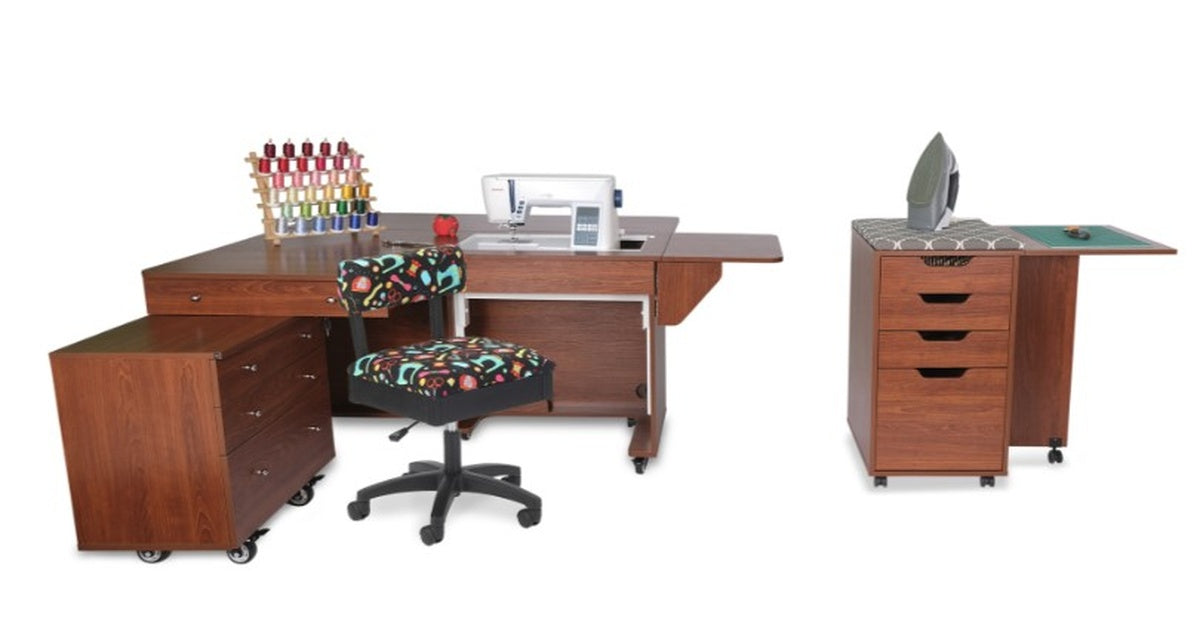
Spending hours bringing a creative vision to life is one of the greatest joys of sewing, but those long sessions can take a toll on your body. Many crafters accept aches and pains as a normal part of their hobby. However, discomfort doesn't have to be part of the process when you have the right support. See why every sewing enthusiast needs an ergonomic setup to enhance comfort, boost creativity, and protect their long-term health.
Preventing Strain and Discomfort
Repetitive motions and poor posture while sewing can cause physical strain, leading to muscle soreness, stiffness, and joint pain. An ergonomic setup minimizes this strain by promoting a neutral body position, which keeps your joints aligned and your muscles relaxed. Therefore, you can sew for longer periods without aches in your neck, shoulders, and back.
Additionally, hunching over a sewing machine or using a chair at the wrong height puts undue pressure on your wrists, elbows, and spine. By arranging your sewing station to fit your body, you actively prevent these issues and support your physical well-being.
Avoiding Long-Term Health Problems
Maintaining correct posture is fundamental to avoiding long-term health problems associated with sedentary activities, such as sewing. An ergonomic setup encourages you to sit upright with your feet flat on the floor, your back supported, and your shoulders relaxed. This alignment reduces pressure on your spinal discs and prevents the muscle imbalances that come from slouching.
On a related note, good posture improves breathing and circulation, which increases oxygen flow to your muscles and brain. Enhanced circulation helps reduce fatigue and keeps you feeling energized throughout your sewing session. Consequently, you can work more efficiently and feel better both during and after you finish your project.
Boosting Focus and Creativity
A comfortable body allows for a clear, focused mind, helping you concentrate on intricate details such as precise stitching and pattern alignment. This heightened focus makes sewing more enjoyable and rewarding.
An ergonomic workspace also frees up mental energy that would otherwise be spent coping with pain. Instead of constantly shifting positions to find a comfortable spot, your attention remains fixed on your fabric and design. Sustained concentration allows your creativity to flow without interruption, resulting in better craftsmanship and more innovative ideas. When you’re not distracted by physical discomfort, you can fully immerse yourself in your sewing projects.
Choosing the Right Sewing Chair
The right chair is the foundation of any comfortable sewing space. Standard office or dining chairs do not provide the support needed for the unique movements of machine sewing. Specialized sewing chairs offer adjustable height, lumbar support, and smooth-rolling casters. These features enable you to customize the fit to your body and move easily between your machine and the cutting table.
A quality sewing chair supports a dynamic posture, which means it moves with you as you lean forward to guide fabric or reach for supplies. This flexible furniture prevents you from holding static, strained positions for too long.
Essential Chair Adjustments
To get the most out of your chair, you need to adjust it correctly for your body and workspace. Your chair height should allow your feet to rest flat on the floor with your knees at a 90-degree angle. The backrest should fit the natural curve of your lower back, providing firm lumbar support to prevent slouching. Finally, adjust the armrests so your shoulders remain relaxed, and your elbows are bent at a comfortable angle while you work.

Arranging Your Sewing Table
Your sewing machine should be positioned at a height that allows your forearms to be parallel to the floor when your hands are on the machine. This position prevents you from hunching your shoulders or bending your wrists at an awkward angle. If your table is too high, your shoulders may feel tense; if it is too low, you might strain your neck and back.
Furthermore, make certain you have ample space around your machine to accommodate your fabric and tools. A cluttered workspace forces you to make awkward reaches and twists, which can cause muscle strain. Keeping your most-used tools within easy reach minimizes unnecessary movements and keeps your workflow smooth.
Here are some tips for organizing your sewing table:
- Use small containers to keep pins, clips, and bobbins tidy.
- Install wall-mounted racks or pegboards to store scissors and rulers.
- Position your machine so there is plenty of room to the left for fabric.
- Use a thread stand to keep your most-used spools accessible.
- Keep a small trash bin nearby for fabric scraps and loose threads.
Setting Up Your Cutting Station
An ergonomic cutting station will make your workflow much more comfortable. A cutting table that is too low will force you to bend over, straining your back and neck. The ideal height for a cutting table is at your hip level, which allows you to stand straight while cutting fabric.
Additionally, use a sharp rotary cutter and a quality cutting mat to make the process smoother and safer. A dull blade requires more pressure to cut, which puts unnecessary strain on your wrist and shoulder. In contrast, a sharp tool glides through fabric with minimal effort, improving both your comfort and precision.
The Role of Adequate Lighting
Having the right type of lighting where you need it reduces eye strain and prevents mistakes while you sew. Poor lighting forces you to lean closer to your work, which contributes to neck and back pain. A combination of ambient overhead lighting and direct task lighting will best illuminate your workspace.
A flexible-arm task lamp is an excellent addition, as you can position it to shine light exactly where you need. Targeted illumination is especially helpful for detailed work like threading needles, seam ripping, or topstitching dark fabrics.
Taking Regular Breaks Is Key
Even with the perfect setup, sitting in one position for extended periods is not ideal for your body. Take short breaks every 30 to 60 minutes to stand up, stretch, and move around. These breaks give your muscles a chance to relax and reset.
During your breaks, you can perform simple stretches to relieve tension in your neck, shoulders, and back. A few minutes of movement can make a huge difference in how you feel at the end of a long sewing session.
Try doing these simple stretches during your breaks:
- Gently tilt your head from side to side to stretch your neck.
- Roll your shoulders backward and forward to release tension.
- Stand and reach your arms overhead for a full-body stretch.
- Twist your torso gently from side to side while seated or standing.
- Do a few wrist circles to keep your hands and forearms flexible.
With an ergonomic setup, sewing enthusiasts can protect their health and turn sewing sessions into pure joy. Your sewing station should include a supportive sewing chair, a properly adjusted table, and adequate lighting to reduce strain and improve comfort. Additionally, keep tools within easy reach and adjust your cutting table to hip level. By making a few thoughtful adjustments to your sewing area, you can prevent pain, improve your focus, and continue enjoying your hobby for years to come.